Drone Case Export for Africa at a glance: the industrial protective case market is ~USD 2.05 B (2025) heading to USD 2.88 B by 2032 (5.0% CAGR); military leads demand and drone cases grow fastest. Verify IP67 and MIL-STD test reports when sourcing.
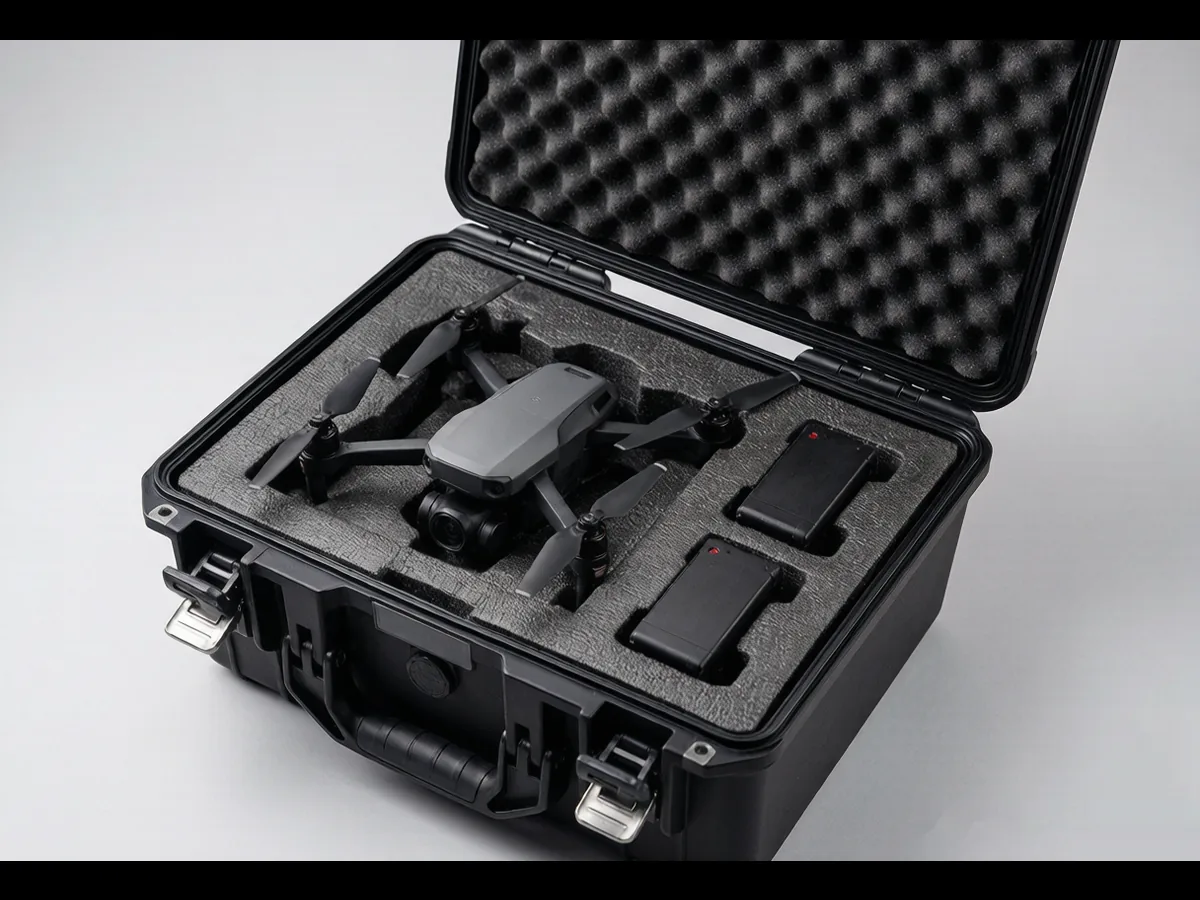
A drone case is a purpose-built transport case for quadcopters, batteries and controllers, with CNC-cut EVA or foam inserts shaped to the airframe to prevent impact and vibration damage in transit.
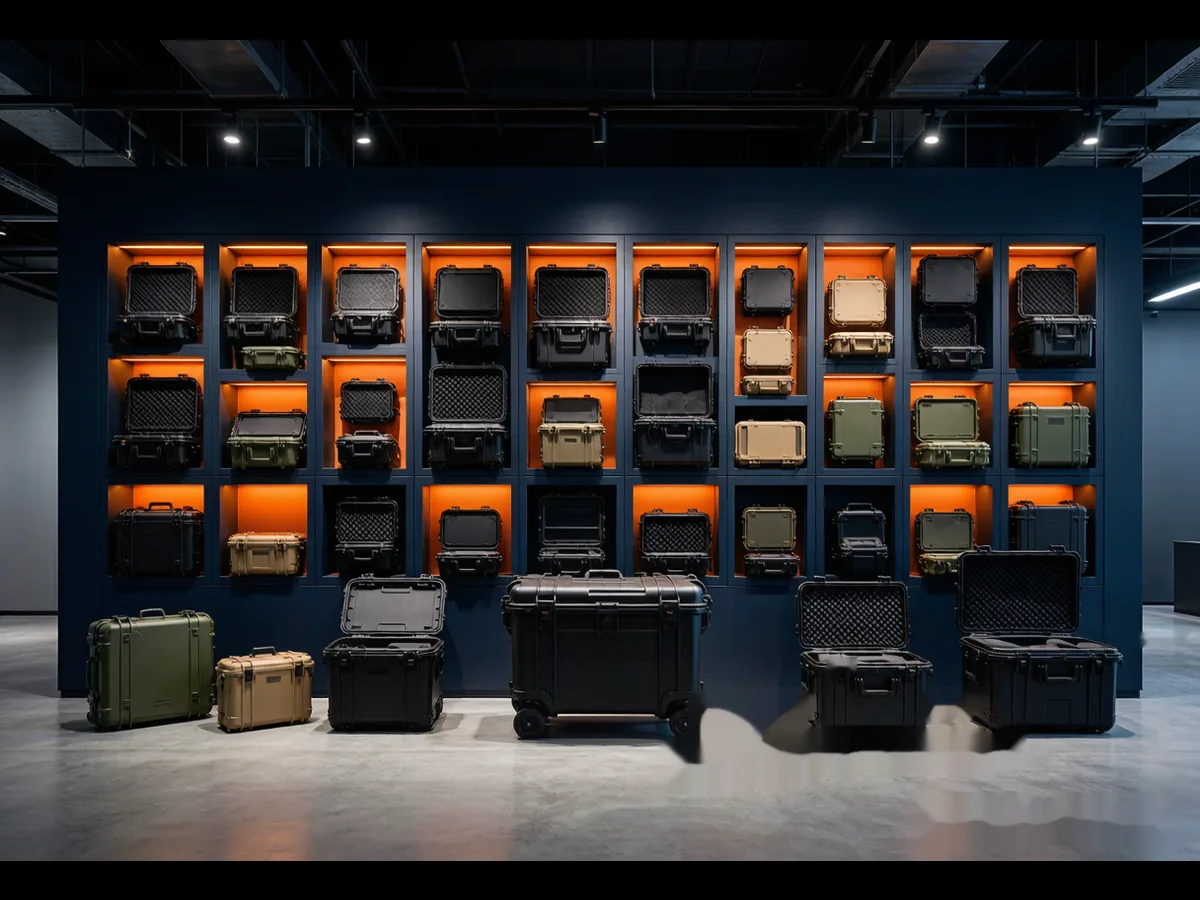
Drone Case Export for Africa: Product & Manufacturer Overview
The Drone Case Export for Africa can be tailored to your brand and project: case color, silk-print or laser-engraved logo, foam layout and handle/wheel options are all adjustable. kexinMaterials, as the source factory, runs the whole journey from sample approval to mass production, including neutral shipping and OEM private label.
For buyers, the true cost of a Drone Case Export for Africa is more than unit price: carton specs shape freight, and spare parts and replenishment shape long-term use. kexinMaterials optimizes container loading and ships wear-part kits with volume orders to lower your total cost of ownership.
Key Specifications
| Shell material | Modified PP / ABS / molded EVA composite |
|---|---|
| Protection rating | IP67 |
| Interior | Airframe-specific EVA, anti-static foam, LiPo-safe compartment |
| Carry options | Handle / trolley wheels / hard-shell backpack |
| Fits | Multirotor UAVs, FPV drones, underwater ROVs, robots & accessories |
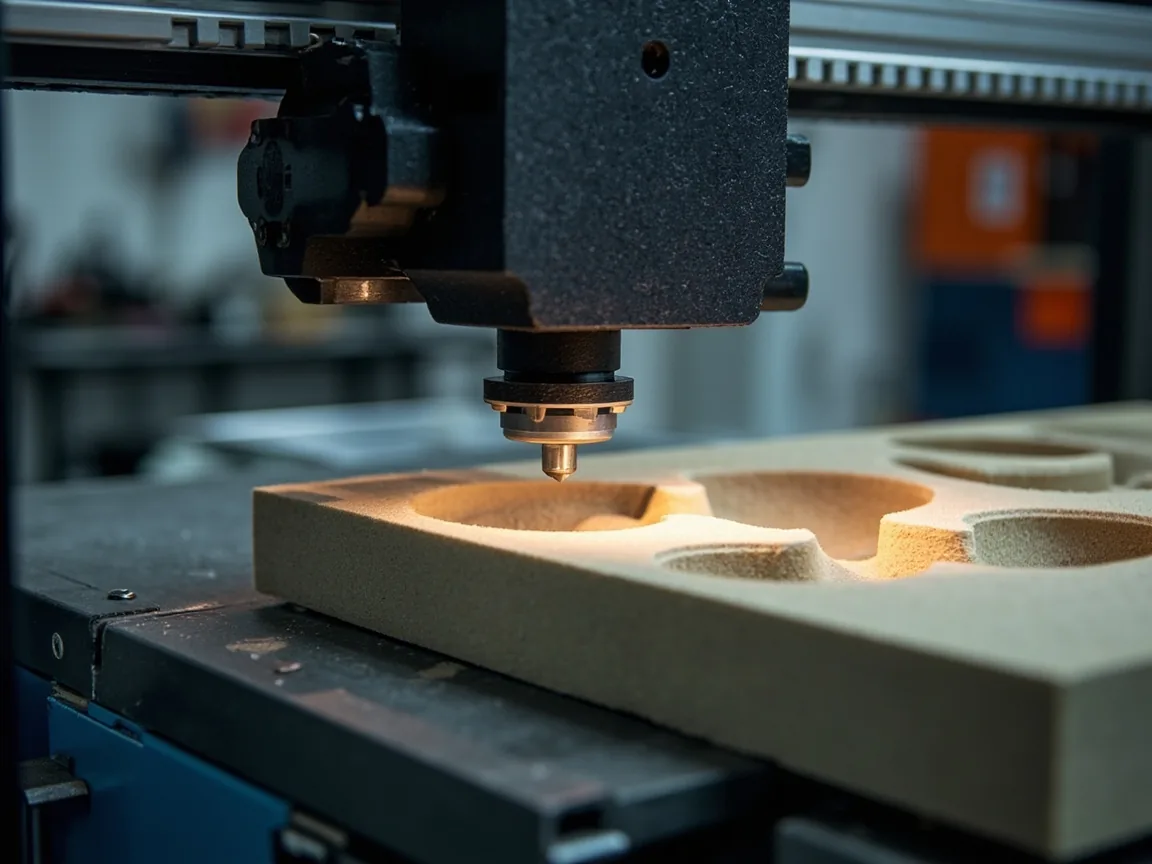
| Customization | 3D-scan foam cutting, logo printing, colors, co-packing |
How kexinMaterials Compares
| kexinMaterials | Generic market cases | |
|---|---|---|
| Protection | IP67 + silicone gasket + pressure valve for field use | Often unsealed, risky in rain |
| Foam | Model-specific CNC-cut library (mapping/spraying/inspection) | Generic foam, props/gimbal crushed |
| Battery safety | Separate battery bay, flame-retardant foam, venting | Batteries mixed with airframe, no isolation |
| Strength/weight | Modified PP copolymer, thin yet tough, lighter kit | Uneven walls, heavier overall |
| MOQ | Stock for popular models, custom from 100 pcs | Mostly reselling, high custom barrier |
| Export docs | UN38.3 / ISTA 3A guidance provided | Compliance docs missing |
Standards & Industry Data
Export Compliance Essentials
EU-bound cases require CE marking and REACH compliance (phthalates such as DEHP/DBP each below 0.1% in soft parts); hard cases sold via Amazon FBA need ISTA 3A transit-drop certification; shipping drones or devices with lithium batteries additionally involves UN38.3 and IATA rules. A legitimate source factory provides these test reports directly.
Market Size & Growth
The global industrial protective case market was worth about USD 2.05 billion in 2025 and is projected to reach USD 2.88 billion by 2032 (5.0% CAGR). Military & defense is the largest application (~30%), drone-related cases are the fastest-growing niche, North America is the largest region and APAC grows fastest.
Foam Inserts (EVA / PU / XLPE)
Three insert materials dominate: EVA (closed-cell, waterproof, firm support for precision instruments), PU foam (open-cell, soft cushioning, economical) and XLPE (chemically inert, non-shedding — preferred for medical and optics). CNC pockets are cut from the equipment's 3D data; drawing-to-first-sample typically takes 1–2 weeks.
Typical Applications
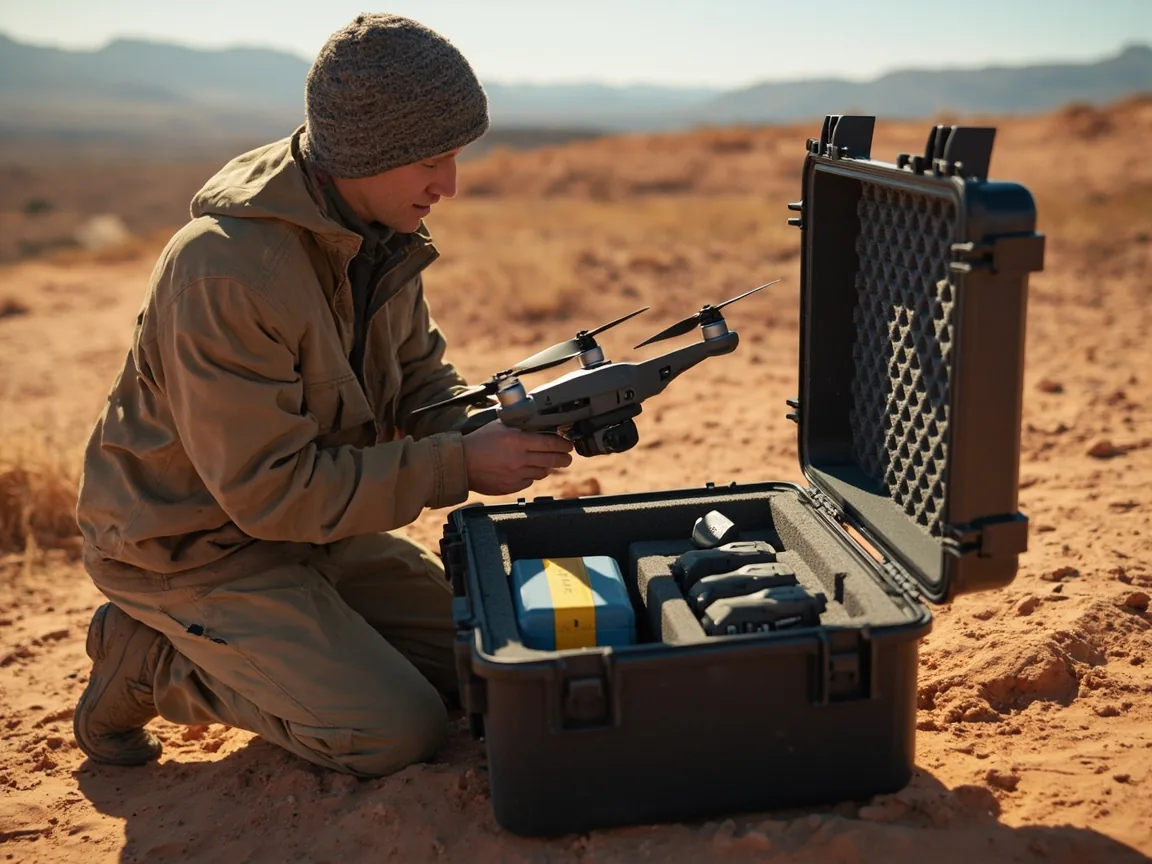
- Mapping and inspection UAV field operations
- Agricultural drone transport between sites
- Underwater ROV dockside and onboard storage
- FPV racing and training carry
- OEM co-packing for drone manufacturers
- Robot prototype shipping for R&D labs
Target Market Export Solutions
kexinMaterials localizes the Drone Case Export for Africa for each destination: colors and configurations tuned to market preference, compliance files prepared to local rules, and packing optimized for the shipping lane.
Markets differ sharply — Europe and North America weigh certifications and material declarations; the Middle East and Africa weigh heat resistance and value; Southeast Asia weighs humidity protection and low MOQs. Our export team advises per your target market.
Manufacturing Process
Injection-molded shells deliver maximum protection for complete aircraft and ground stations, while thermo-compressed EVA composite shells serve weight-critical backpack applications. Battery compartments use flame-retardant compounds with engineered vent paths.
Field Case Studies
Developed 8,000 transit cases with separate blade and battery bays; zero transport-damage complaints across the 2023 peak season.
1,500 CNC-cut cases for a hexacopter with tablet and controller bays, passing ISTA 3A transit testing.
About kexinMaterials
KeXin New Materials (Guangdong) Co., Ltd. (brand: kexinMaterials) is a source factory for engineered plastic cases based in Guangdong, China, operating injection, rotational and blow molding lines with an in-house tool shop. Nine product series serve buyers worldwide — from military and drone cases to medical, photography and business lines.
Why kexinMaterials: factory-direct pricing with no middle-man margin; three molding processes under one roof; in-house tooling for controlled lead times; batch drop and seal testing; factory audits, samples-first and third-party QC all supported.