FPV Drone Case Export for South America at a glance: the industrial protective case market is ~USD 2.05 B (2025) heading to USD 2.88 B by 2032 (5.0% CAGR); military leads demand and drone cases grow fastest. Verify IP67 and MIL-STD test reports when sourcing.
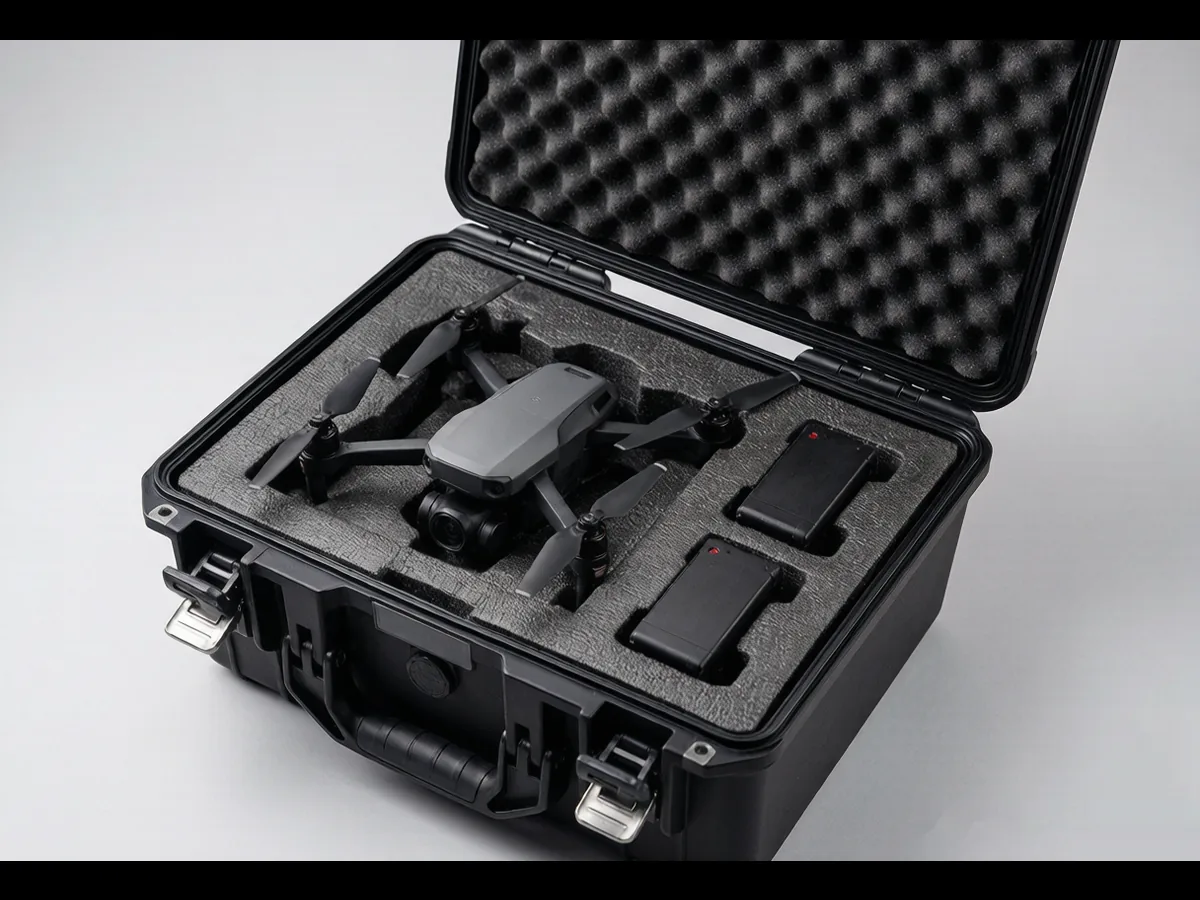
A drone case is a purpose-built transport case for quadcopters, batteries and controllers, with CNC-cut EVA or foam inserts shaped to the airframe to prevent impact and vibration damage in transit.
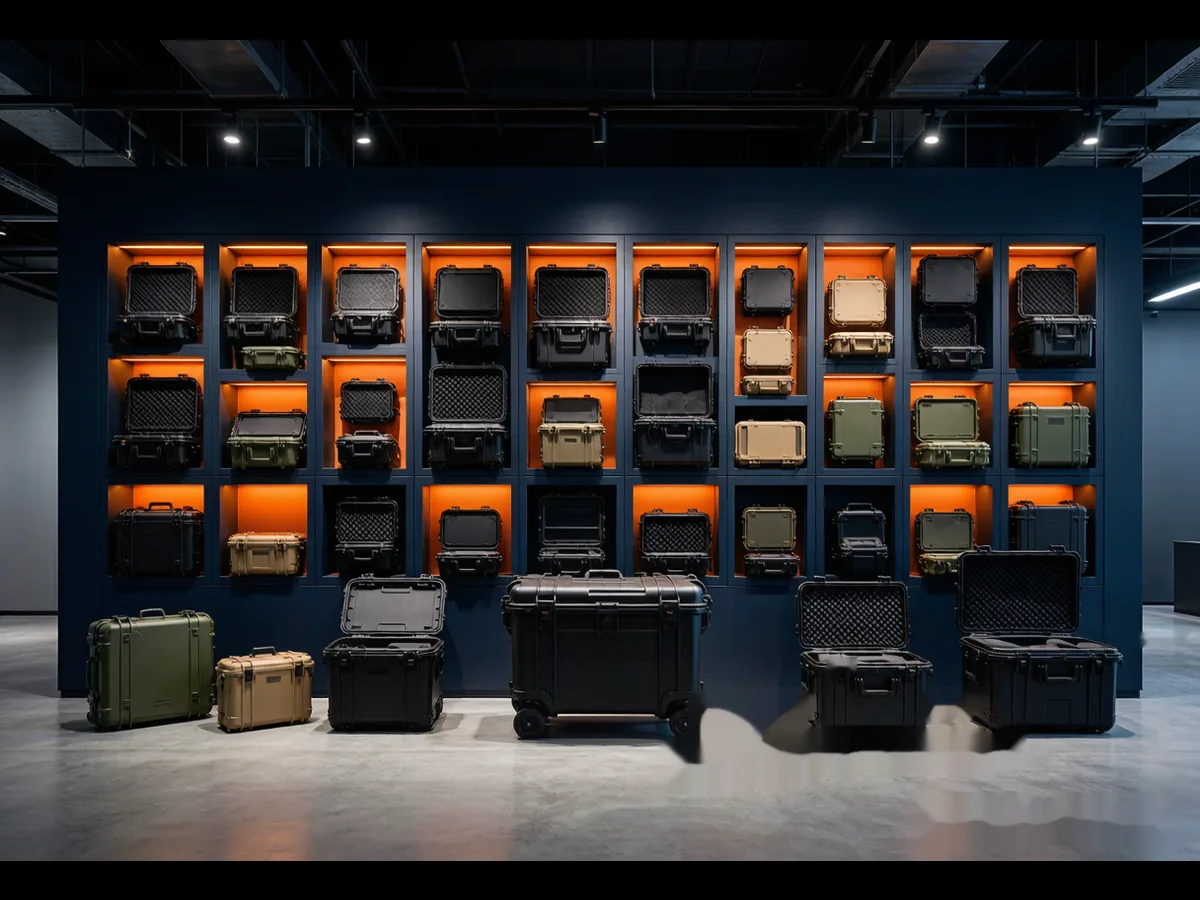
FPV Drone Case Export for South America: Product & Manufacturer Overview
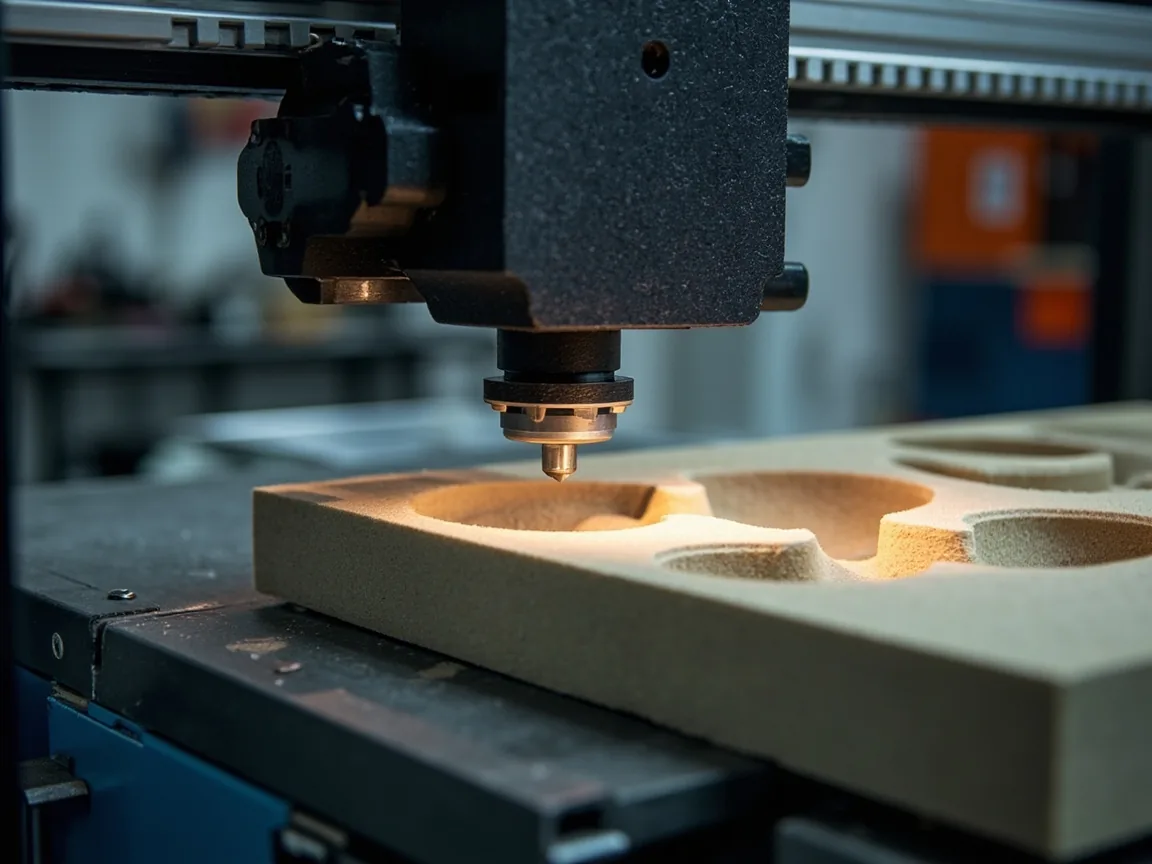
kexinMaterials pairs impact-resistant molded shells with CNC-cut EVA interiors matched to your airframe. Popular mapping, spraying and inspection platforms are already in our insert database; for custom builds we 3D-scan the aircraft and cut a dedicated layout for props, gimbal, batteries and controller.
A professional FPV Drone Case Export for South America has to solve three problems at once: shock isolation, weather sealing and lithium-battery safety. kexinMaterials builds a complete range of hard cases for the drone economy, from FPV backpacks to agricultural-drone transit cases, available off-the-shelf or fully customized.
Key Specifications
| Shell material | Modified PP / ABS / molded EVA composite |
|---|---|
| Protection rating | IP67 |
| Interior | Airframe-specific EVA, anti-static foam, LiPo-safe compartment |
| Carry options | Handle / trolley wheels / hard-shell backpack |
| Fits | Multirotor UAVs, FPV drones, underwater ROVs, robots & accessories |
| Customization | 3D-scan foam cutting, logo printing, colors, co-packing |
How kexinMaterials Compares
| kexinMaterials | Generic market cases | |
|---|---|---|
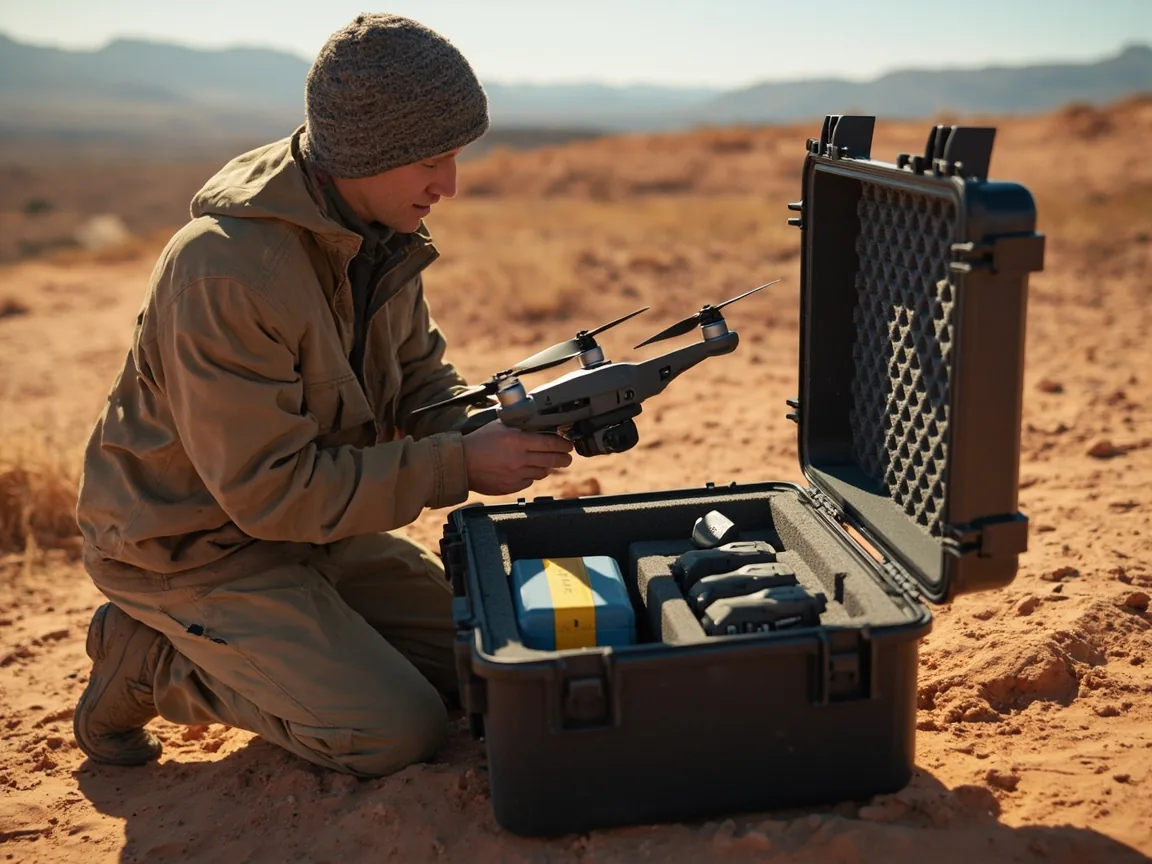
| Protection | IP67 + silicone gasket + pressure valve for field use | Often unsealed, risky in rain |
| Foam | Model-specific CNC-cut library (mapping/spraying/inspection) | Generic foam, props/gimbal crushed |
| Battery safety | Separate battery bay, flame-retardant foam, venting | Batteries mixed with airframe, no isolation |
| Strength/weight | Modified PP copolymer, thin yet tough, lighter kit | Uneven walls, heavier overall |
| MOQ | Stock for popular models, custom from 100 pcs | Mostly reselling, high custom barrier |
| Export docs | UN38.3 / ISTA 3A guidance provided | Compliance docs missing |
Standards & Industry Data
Market Size & Growth
The global industrial protective case market was worth about USD 2.05 billion in 2025 and is projected to reach USD 2.88 billion by 2032 (5.0% CAGR). Military & defense is the largest application (~30%), drone-related cases are the fastest-growing niche, North America is the largest region and APAC grows fastest.
Foam Inserts (EVA / PU / XLPE)
Three insert materials dominate: EVA (closed-cell, waterproof, firm support for precision instruments), PU foam (open-cell, soft cushioning, economical) and XLPE (chemically inert, non-shedding — preferred for medical and optics). CNC pockets are cut from the equipment's 3D data; drawing-to-first-sample typically takes 1–2 weeks.
Export Compliance Essentials
EU-bound cases require CE marking and REACH compliance (phthalates such as DEHP/DBP each below 0.1% in soft parts); hard cases sold via Amazon FBA need ISTA 3A transit-drop certification; shipping drones or devices with lithium batteries additionally involves UN38.3 and IATA rules. A legitimate source factory provides these test reports directly.
Typical Applications
- Mapping and inspection UAV field operations
- Agricultural drone transport between sites
- Underwater ROV dockside and onboard storage
- FPV racing and training carry
- OEM co-packing for drone manufacturers
- Robot prototype shipping for R&D labs
Target Market Export Solutions
kexinMaterials localizes the FPV Drone Case Export for South America for each destination: colors and configurations tuned to market preference, compliance files prepared to local rules, and packing optimized for the shipping lane.
Markets differ sharply — Europe and North America weigh certifications and material declarations; the Middle East and Africa weigh heat resistance and value; Southeast Asia weighs humidity protection and low MOQs. Our export team advises per your target market.
Manufacturing Process
Injection-molded shells deliver maximum protection for complete aircraft and ground stations, while thermo-compressed EVA composite shells serve weight-critical backpack applications. Battery compartments use flame-retardant compounds with engineered vent paths.
Field Case Studies
Developed 8,000 transit cases with separate blade and battery bays; zero transport-damage complaints across the 2023 peak season.
1,500 CNC-cut cases for a hexacopter with tablet and controller bays, passing ISTA 3A transit testing.
About kexinMaterials
KeXin New Materials (Guangdong) Co., Ltd. (brand: kexinMaterials) is a source factory for engineered plastic cases based in Guangdong, China, operating injection, rotational and blow molding lines with an in-house tool shop. Nine product series serve buyers worldwide — from military and drone cases to medical, photography and business lines.
Why kexinMaterials: factory-direct pricing with no middle-man margin; three molding processes under one roof; in-house tooling for controlled lead times; batch drop and seal testing; factory audits, samples-first and third-party QC all supported.