Camera Case how to choose — short answer: judge three things: ingress protection (IP67 = 1 m for 30 min), impact structure (26-drop military testing) and foam fit (EVA/PU/XLPE by payload). Details below, standard by standard.
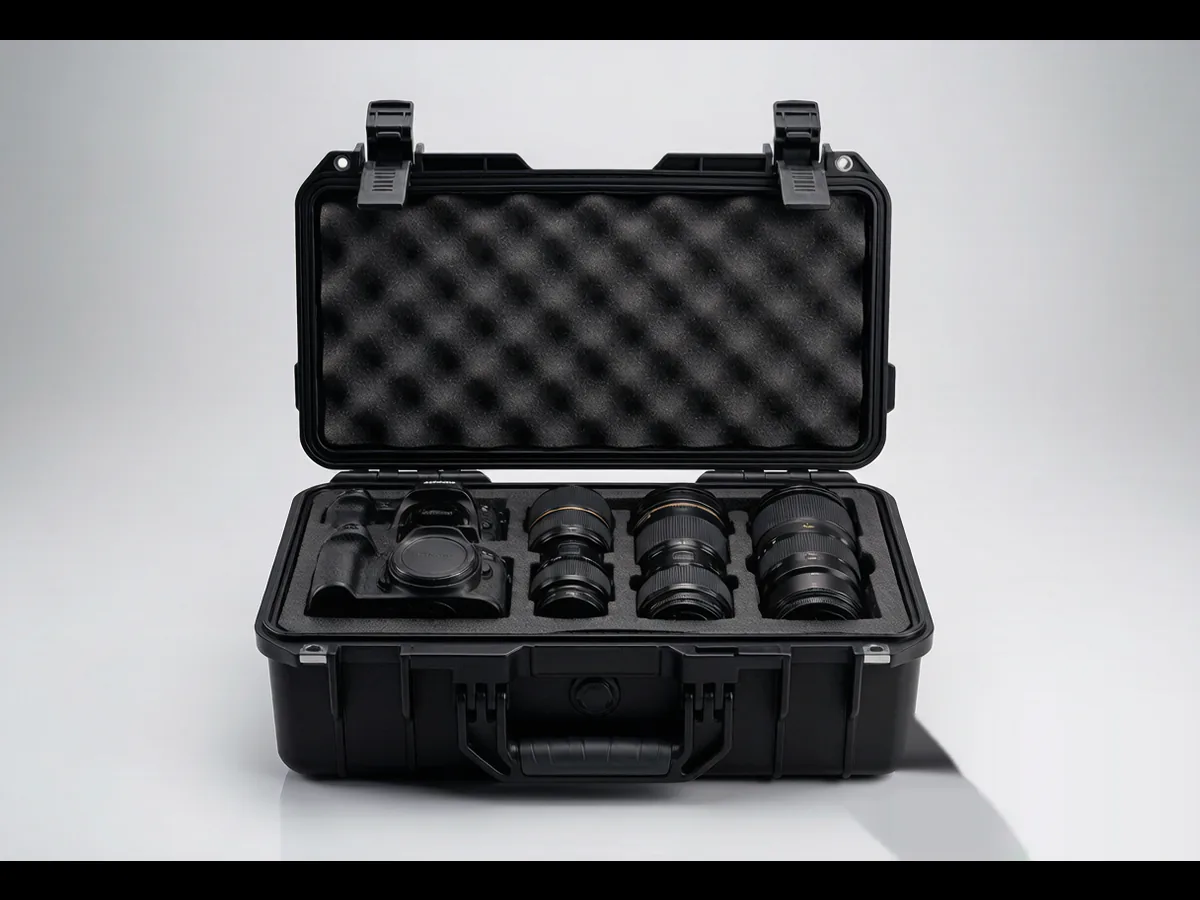
A photography case gives cameras, lenses and accessories shock- and moisture-protected transport, with inserts cut to the kit layout so bodies and glass do not press against each other.
Frequently Asked Questions
What support do rental houses get?
How should tripods and light stands be packed?
How do I place an order or get a quote?
Should each lens have its own compartment for checked baggage?
Are you a factory or a trading company?
Can a photography case go in the cabin as carry-on?
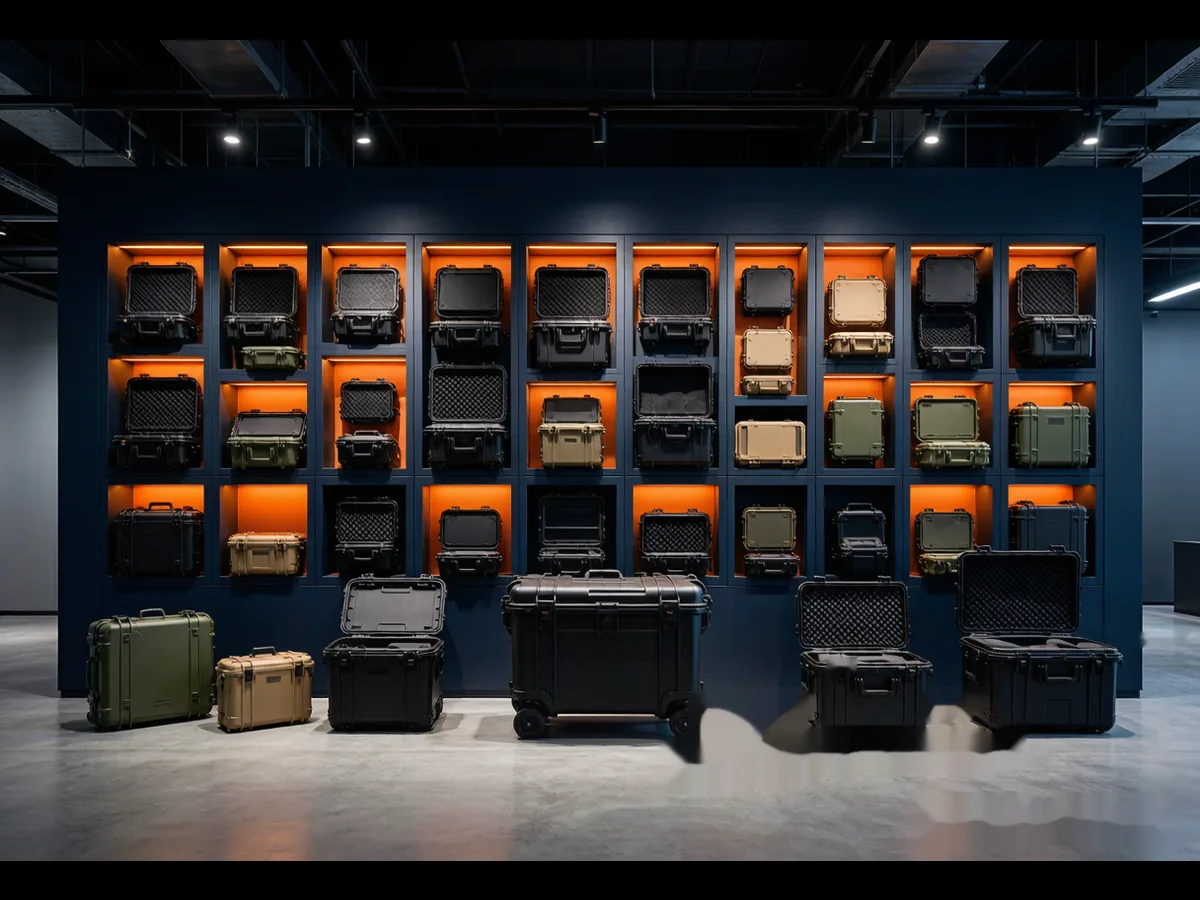
Camera Case how to choose: Product & Manufacturer Overview
For buyers, the true cost of a Camera Case how to choose is more than unit price: carton specs shape freight, and spare parts and replenishment shape long-term use. kexinMaterials optimizes container loading and ships wear-part kits with volume orders to lower your total cost of ownership.
Lenses, bodies, lighting and consoles are expensive and fragile. The Camera Case how to choose must survive airline handling, theater load-ins and location runs. kexinMaterials covers the full chain from single-lens boxes to complete flight cases.
Key Specifications
| Hard case material | Modified PP / ABS, IP67 sealed |
|---|---|
| Flight case build | Multi-ply board + aluminum extrusion + butterfly latches |
| Interior | Custom EVA / pick-and-pluck foam / dividers |
| Wheels | Silent casters, brake casters optional |
| Fits | Cameras, lenses, lighting, audio, instruments, switchers |
| Customization | Branding, serial numbers, checklist-cut inserts |
How kexinMaterials Compares
| Dimension | kexinMaterials | Generic market cases |
|---|---|---|
| Foam precision | CNC-cut to body/lens shapes | Generic foam dents optics |
| Rating | IP67, moisture and dust proof | Plain cases leak |
| Rigidity | ABS crush-resistant, screen-safe | PP dents under load |
| Dividers | Adjustable baffles + mesh pockets | Fixed grids |
| MOQ | From 50 pcs, kit custom | Mostly reselling |
| Certification | Drop/vibration reports provided | Incomplete docs |
Standards & Industry Data
IP Ratings (IEC 60529)
In IP67, the “6” means dust-tight (no dust ingress after a 2 kPa vacuum dust test) and the “7” means temporary immersion: the enclosure survives 30 minutes at 1 m depth with its highest point at least 150 mm below the surface, per IEC 60529 Clause 14.2.7.
Export Compliance Essentials
EU-bound cases require CE marking and REACH compliance (phthalates such as DEHP/DBP each below 0.1% in soft parts); hard cases sold via Amazon FBA need ISTA 3A transit-drop certification; shipping drones or devices with lithium batteries additionally involves UN38.3 and IATA rules. A legitimate source factory provides these test reports directly.
Shell Materials Compared (PP / ABS / PE)
Industry data puts PP (polypropylene) at ~55% of plastic protective-case share — strong chemical resistance, low-temperature toughness and cost efficiency; ABS holds ~30% with harder, glossier surfaces; large thick-wall cases favor rotomolded PE. Plastic/polymer cases together account for 63.7% of the industrial protective case market (2025).
Typical Applications
- Location shoots and gear carry
- Production moves and airline check-in
- Touring lighting and audio rigs
- Instrument transport and storage
- Rental house asset management
- Live-stream and switcher kits
Buying Questions Answered
For 'Camera Case how to choose', the FAQ below gathers what buyers ask most — price structure, MOQ, customization flow and lead time — to speed up your sourcing decision.
When comparing Camera Case how to choose suppliers, weigh four things: shell material and wall thickness, seal design and verified ingress rating, interior-foam capability, and whether the factory owns tooling and QC in-house — these decide long-term reliability.
Before sourcing a Camera Case how to choose, note the payload's largest dimensions, single-unit weight and shipping mode (air/land/sea). Send those to kexinMaterials and you get a matched case recommendation and quote fastest.
Manufacturing Process
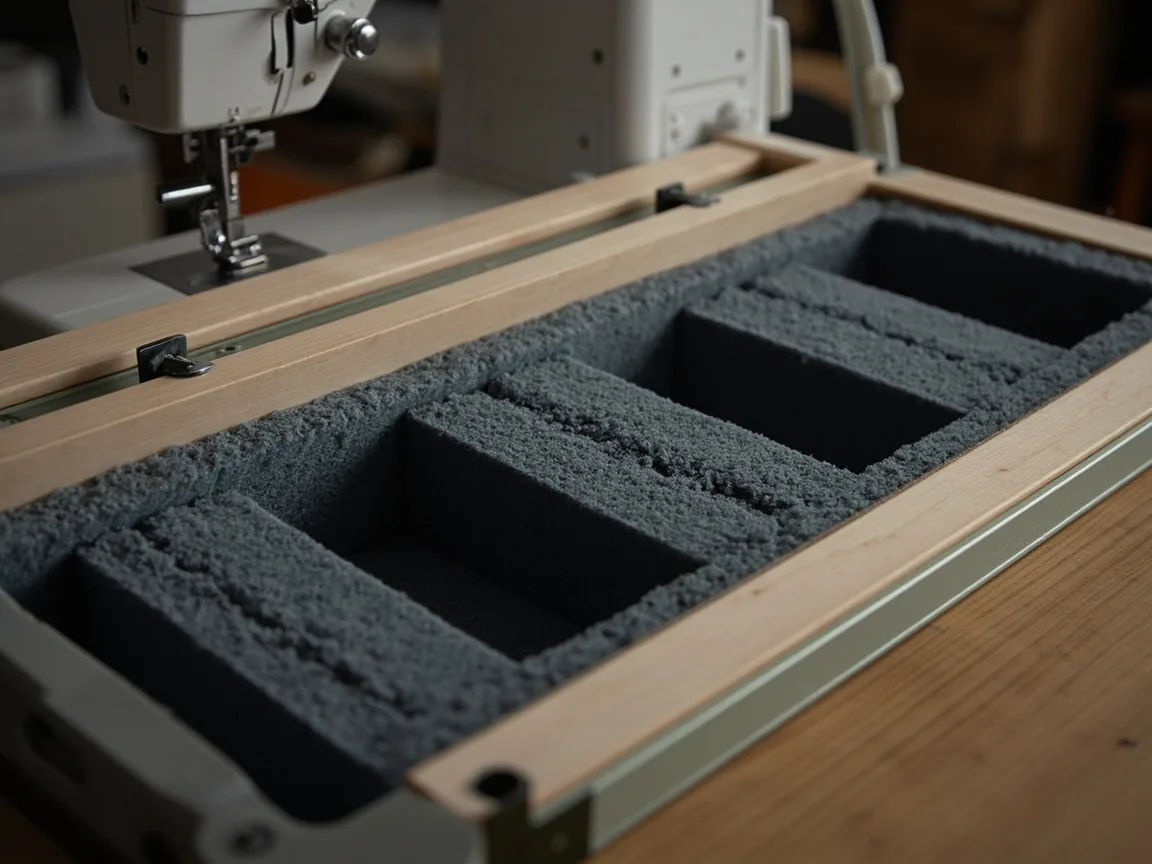
The hard-case line is injection molded with immersion spot checks; flight cases are panel-cut to measured equipment dimensions, riveted with corner and handle reinforcement, then pass full-load drop and caster endurance tests.
Field Case Studies
1,200 camera cases CNC-cut to body/lens shapes, zero optics damage in field transport.
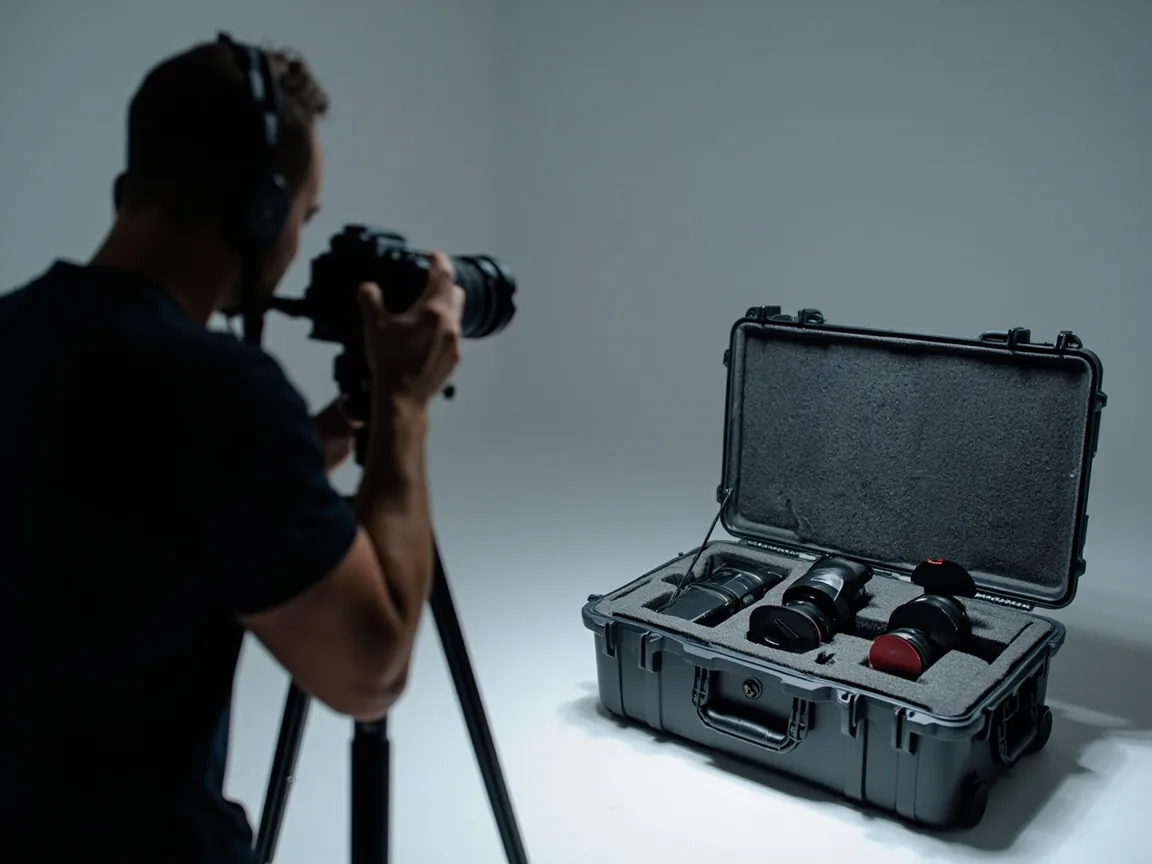
800 kit cases with adjustable baffles and mesh pockets, faster on-site workflow.
About kexinMaterials
KeXin New Materials (Guangdong) Co., Ltd. (brand: kexinMaterials) is a source factory for engineered plastic cases based in Guangdong, China, operating injection, rotational and blow molding lines with an in-house tool shop. Nine product series serve buyers worldwide — from military and drone cases to medical, photography and business lines.
Why kexinMaterials: factory-direct pricing with no middle-man margin; three molding processes under one roof; in-house tooling for controlled lead times; batch drop and seal testing; factory audits, samples-first and third-party QC all supported.