Tool Box how to choose — short answer: judge three things: ingress protection (IP67 = 1 m for 30 min), impact structure (26-drop military testing) and foam fit (EVA/PU/XLPE by payload). Details below, standard by standard.
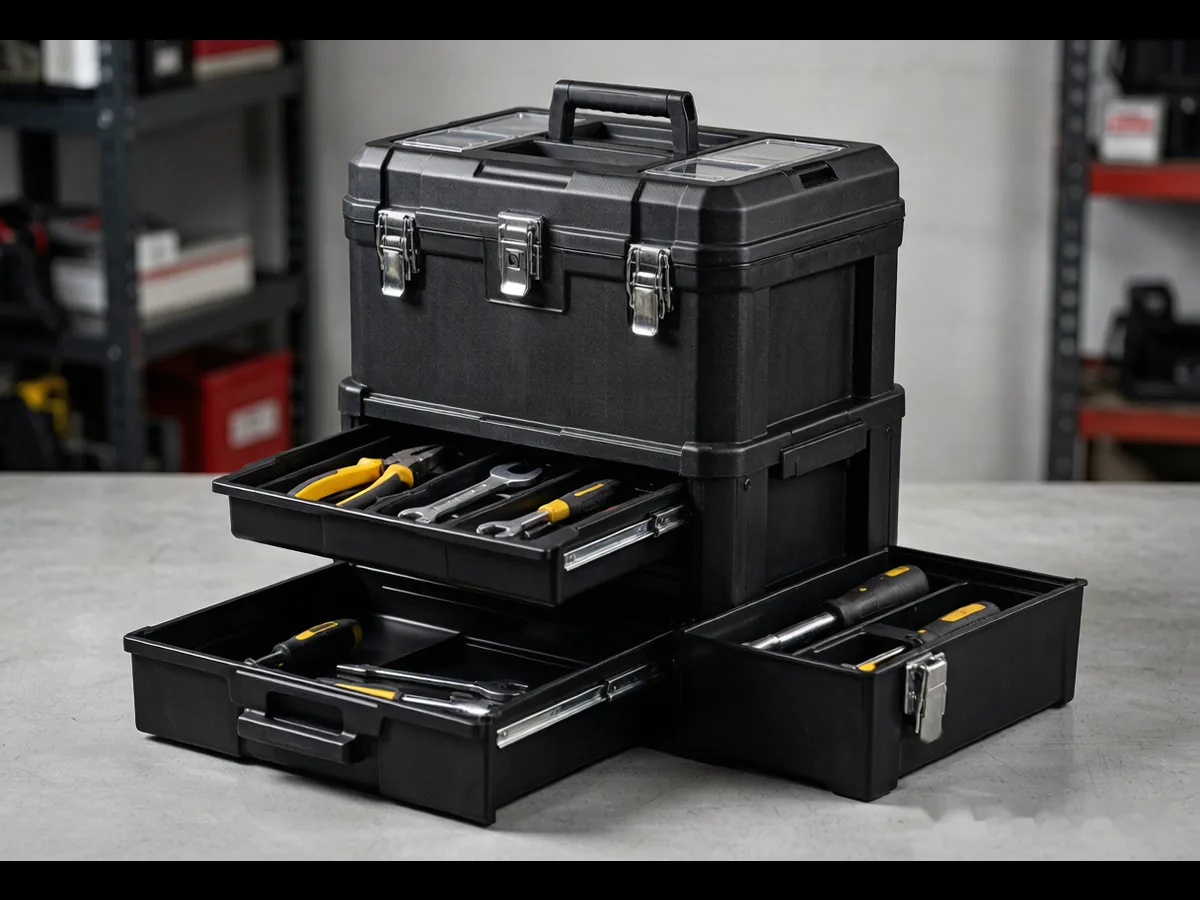
An industrial tool box organizes tools, parts and consumables with structural strength, reliable latches and modular trays for workshops, maintenance and field service.
Frequently Asked Questions
Are you a factory or a trading company?
Do you make ESD-safe versions?
Do wheeled tool boxes work on rough construction sites?
Can tool boxes be modular?
How many layers can crates stack?
Plastic vs steel tool boxes?
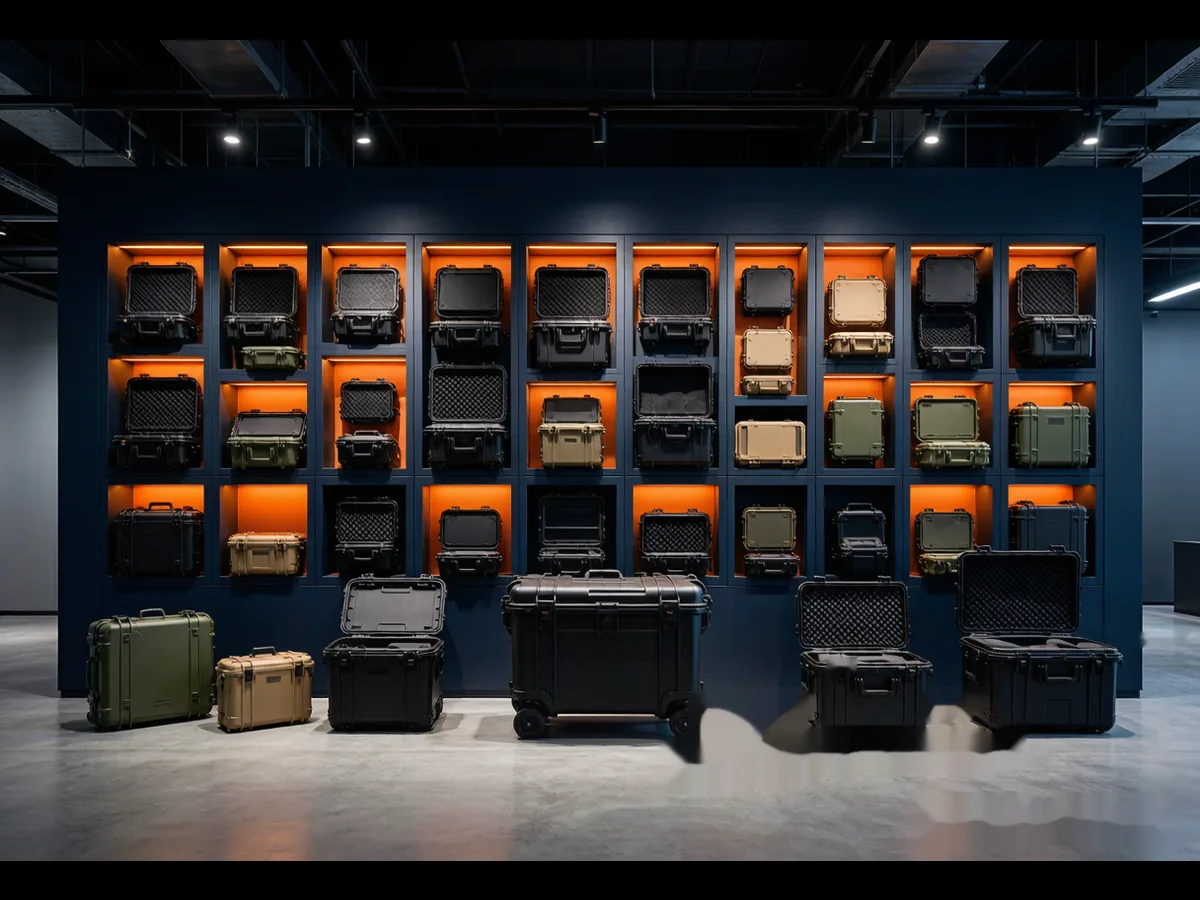
Tool Box how to choose: Product & Manufacturer Overview
The Tool Box how to choose can be tailored to your brand and project: case color, silk-print or laser-engraved logo, foam layout and handle/wheel options are all adjustable. kexinMaterials, as the source factory, runs the whole journey from sample approval to mass production, including neutral shipping and OEM private label.
kexinMaterials supplies the Tool Box how to choose factory-direct to hardware channels, industrial supermarkets and MRO platforms — private label, bundled SKUs and fast replenishment supported, with Guangdong stock dispatching within 48 hours.
Key Specifications
| Material | High-toughness modified PP / HDPE |
|---|---|
| Load | 20–50 kg per box, 5–8 layer static stacking |
| Sizing | 600×400 pallet module plus full size run |
| Management | Label slots, RFID bays, seal holes |
| Interior | Movable dividers / part bins / tool trays |
| Special models | ESD-safe, flame-retardant, IP67 sealed |
How kexinMaterials Compares
| Dimension | kexinMaterials | Generic market cases |
|---|---|---|
| Strength | Ribbed shell, holds under stacking | Thin walls collapse |
| Dividers | Adjustable baffles + tool-positioning foam | Fixed grids fit poorly |
| Latches | Steel latches, optional combo lock | Plastic clips break |
| Rating | IP65 dust/splash optional | Usually non-protected |
| MOQ | From 50 pcs, kit customization | Mostly stock |
| Use | Auto/electrician/jobsite proven | Lacks scenario proof |
Standards & Industry Data
Extreme Temperature Performance
Engineering-grade cases typically operate from -30°C to +80°C (military testing follows MIL-STD-810H Methods 501.7/502.7 for temperature and 503.7 for thermal shock, cycling as wide as -40°C↔+71°C). For cold climates choose PP copolymer or PE shells — standard ABS embrittles at low temperatures.
Shell Materials Compared (PP / ABS / PE)
Industry data puts PP (polypropylene) at ~55% of plastic protective-case share — strong chemical resistance, low-temperature toughness and cost efficiency; ABS holds ~30% with harder, glossier surfaces; large thick-wall cases favor rotomolded PE. Plastic/polymer cases together account for 63.7% of the industrial protective case market (2025).
Foam Inserts (EVA / PU / XLPE)
Three insert materials dominate: EVA (closed-cell, waterproof, firm support for precision instruments), PU foam (open-cell, soft cushioning, economical) and XLPE (chemically inert, non-shedding — preferred for medical and optics). CNC pockets are cut from the equipment's 3D data; drawing-to-first-sample typically takes 1–2 weeks.
Typical Applications
- Machine-shop tool management
- Automotive line-side material turnover
- ESD material flow in electronics plants
- Construction site tool storage
- Field-service engineer tool kits
- Standardized warehouse containers
Buying Questions Answered
For 'Tool Box how to choose', the FAQ below gathers what buyers ask most — price structure, MOQ, customization flow and lead time — to speed up your sourcing decision.
When comparing Tool Box how to choose suppliers, weigh four things: shell material and wall thickness, seal design and verified ingress rating, interior-foam capability, and whether the factory owns tooling and QC in-house — these decide long-term reliability.
Before sourcing a Tool Box how to choose, note the payload's largest dimensions, single-unit weight and shipping mode (air/land/sea). Send those to kexinMaterials and you get a matched case recommendation and quote fastest.
Manufacturing Process
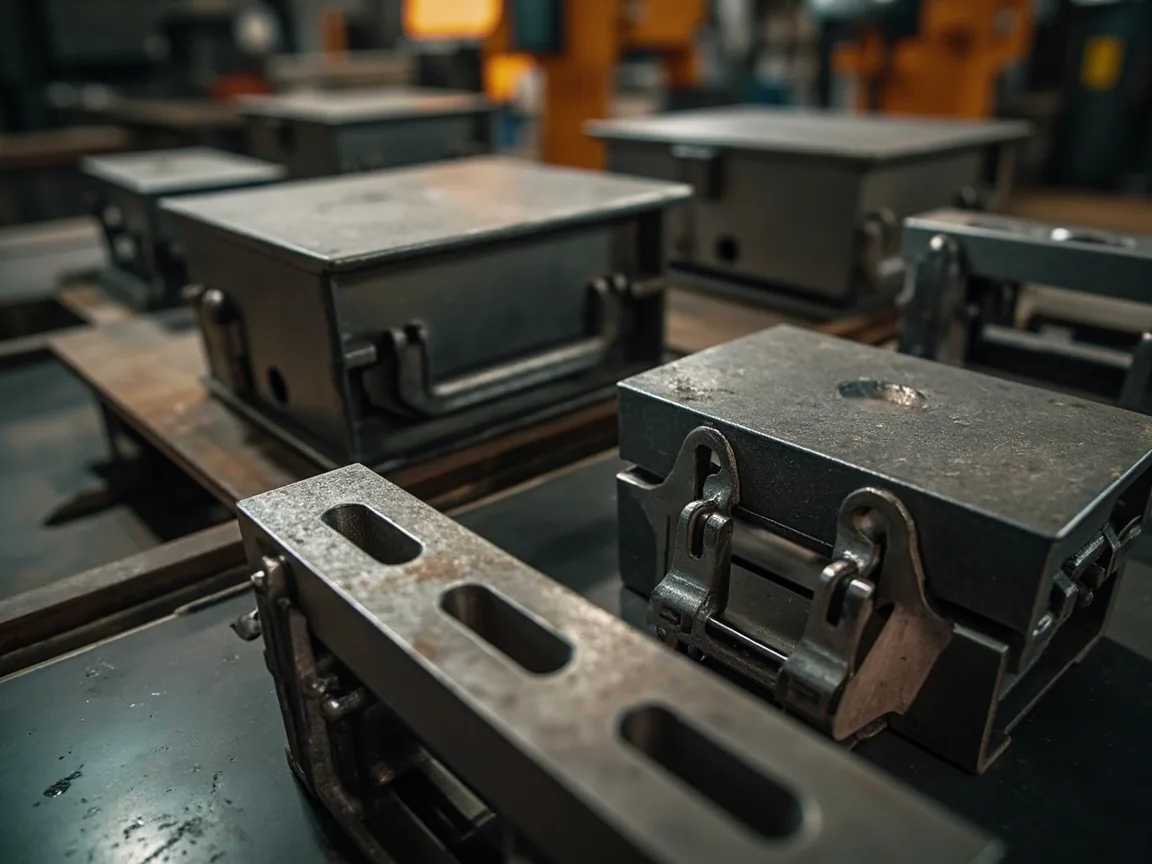
Injection molding secures latch and hinge life; double-wall blow molding adds impact strength at equal weight. Every load-bearing design passes full-load stacking and drop tests.
Field Case Studies
3,500 technician tool boxes with adjustable baffles and steel latches, standardized across stores.
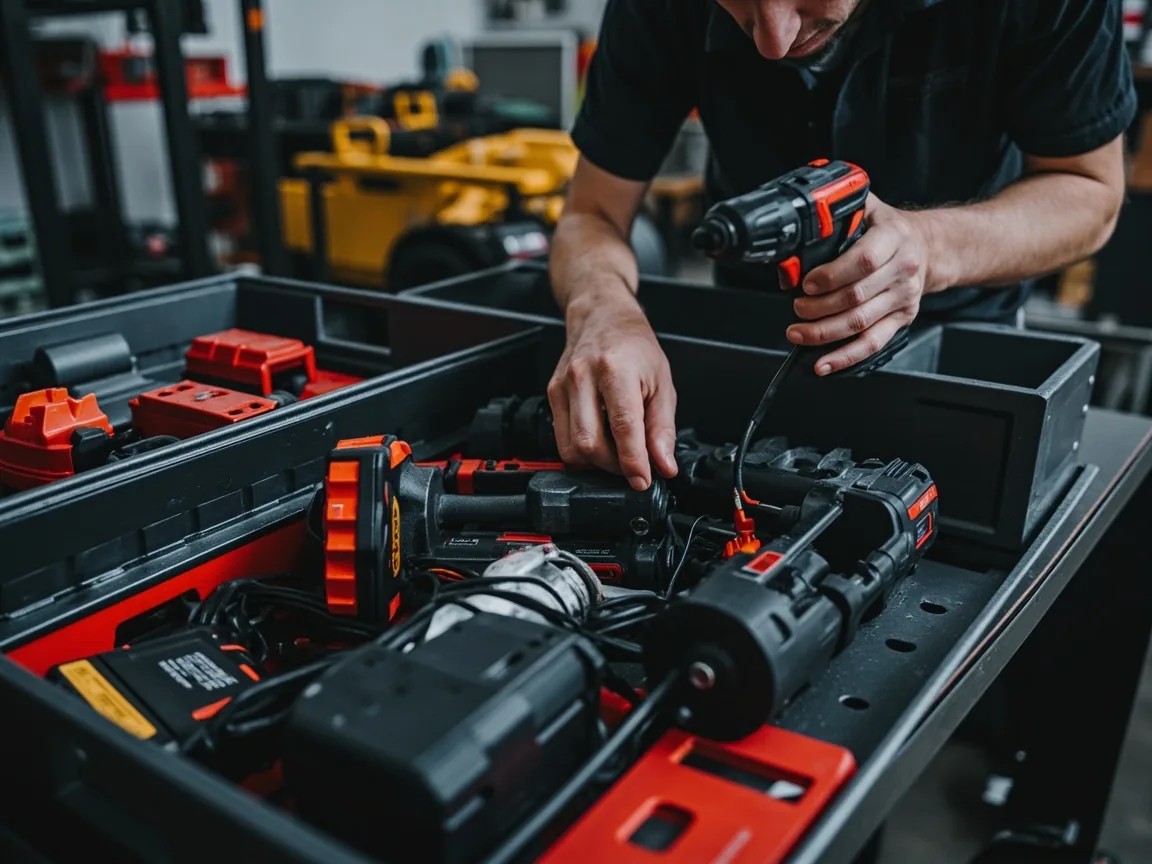
2,000 electrician inspection boxes with tool-positioning foam, noticeably cutting loss rates.
About kexinMaterials
KeXin New Materials (Guangdong) Co., Ltd. (brand: kexinMaterials) is a source factory for engineered plastic cases based in Guangdong, China, operating injection, rotational and blow molding lines with an in-house tool shop. Nine product series serve buyers worldwide — from military and drone cases to medical, photography and business lines.
Why kexinMaterials: factory-direct pricing with no middle-man margin; three molding processes under one roof; in-house tooling for controlled lead times; batch drop and seal testing; factory audits, samples-first and third-party QC all supported.