Sealed FPV Drone Case is an engineered protective case in the drone case family: built by source factory kexinMaterials with IP67 sealing, impact-resistant PP copolymer or rotomolded PE shells and CNC-cut custom foam; wholesale, OEM and export supported.
A drone case is a purpose-built transport case for quadcopters, batteries and controllers, with CNC-cut EVA or foam inserts shaped to the airframe to prevent impact and vibration damage in transit.
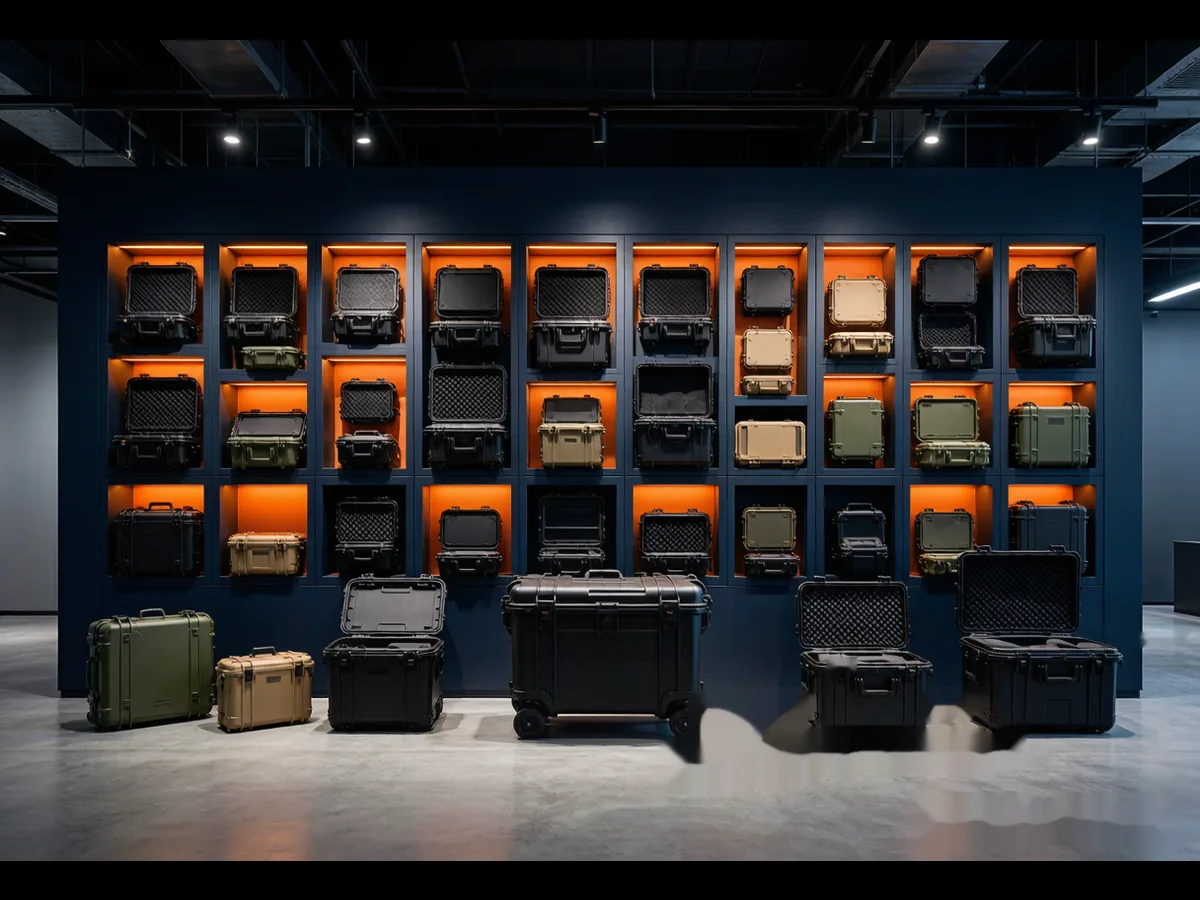
Sealed FPV Drone Case: Product & Manufacturer Overview
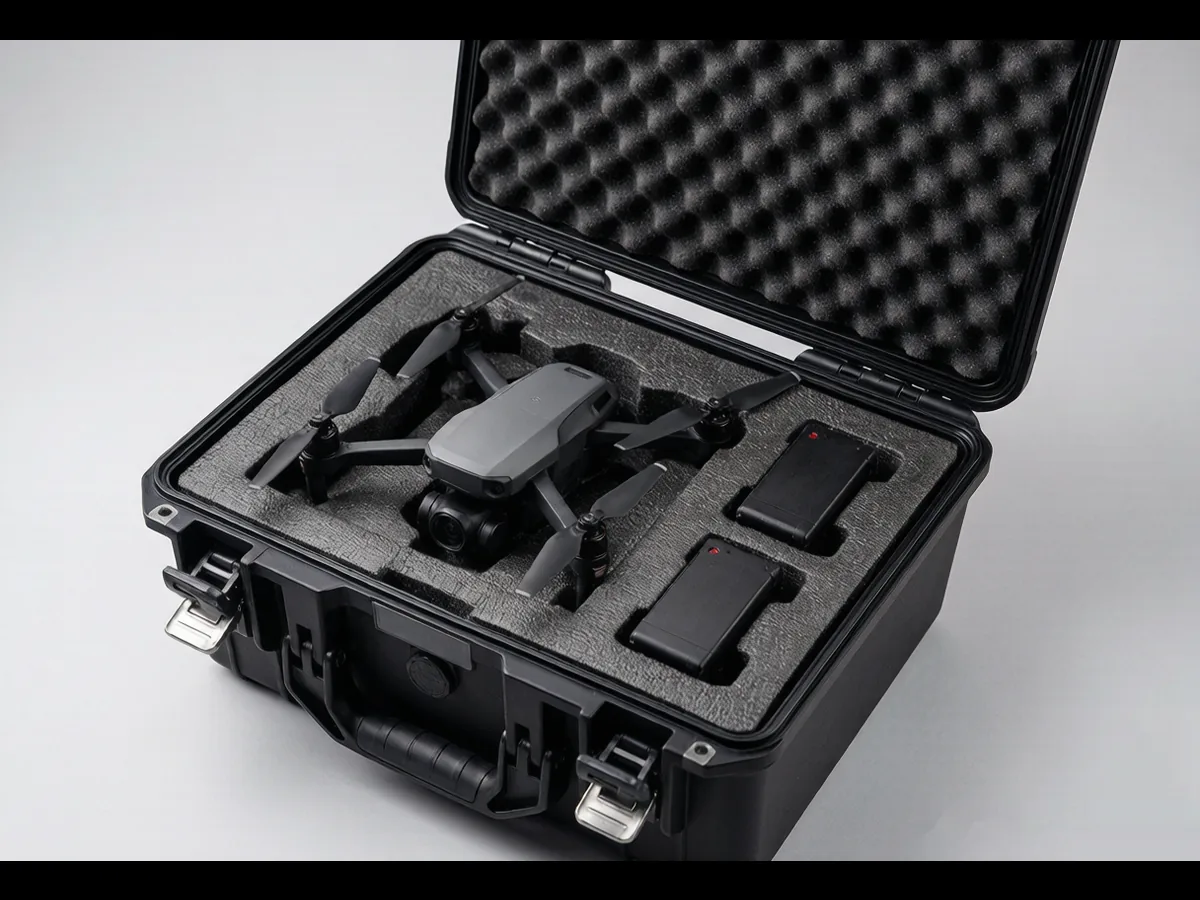
kexinMaterials pairs impact-resistant molded shells with CNC-cut EVA interiors matched to your airframe. Popular mapping, spraying and inspection platforms are already in our insert database; for custom builds we 3D-scan the aircraft and cut a dedicated layout for props, gimbal, batteries and controller.
For UAV manufacturers and system integrators, kexinMaterials supplies the Sealed FPV Drone Case as a factory-direct OEM partner — cases can ship in your branding, packed to your production schedule, turning transport protection into part of the product experience.
Key Specifications
| Shell material | Modified PP / ABS / molded EVA composite |
|---|---|
| Protection rating | IP67 |
| Interior | Airframe-specific EVA, anti-static foam, LiPo-safe compartment |
| Carry options | Handle / trolley wheels / hard-shell backpack |
| Fits | Multirotor UAVs, FPV drones, underwater ROVs, robots & accessories |
| Customization | 3D-scan foam cutting, logo printing, colors, co-packing |
How kexinMaterials Compares
| Dimension | kexinMaterials | Generic market cases |
|---|---|---|
| Protection | IP67 + silicone gasket + pressure valve for field use | Often unsealed, risky in rain |
| Foam | Model-specific CNC-cut library (mapping/spraying/inspection) | Generic foam, props/gimbal crushed |
| Battery safety | Separate battery bay, flame-retardant foam, venting | Batteries mixed with airframe, no isolation |
| Strength/weight | Modified PP copolymer, thin yet tough, lighter kit | Uneven walls, heavier overall |
| MOQ | Stock for popular models, custom from 100 pcs | Mostly reselling, high custom barrier |
| Export docs | UN38.3 / ISTA 3A guidance provided | Compliance docs missing |
Standards & Industry Data
IP Ratings (IEC 60529)
In IP67, the “6” means dust-tight (no dust ingress after a 2 kPa vacuum dust test) and the “7” means temporary immersion: the enclosure survives 30 minutes at 1 m depth with its highest point at least 150 mm below the surface, per IEC 60529 Clause 14.2.7.
Export Compliance Essentials
EU-bound cases require CE marking and REACH compliance (phthalates such as DEHP/DBP each below 0.1% in soft parts); hard cases sold via Amazon FBA need ISTA 3A transit-drop certification; shipping drones or devices with lithium batteries additionally involves UN38.3 and IATA rules. A legitimate source factory provides these test reports directly.
Foam Inserts (EVA / PU / XLPE)
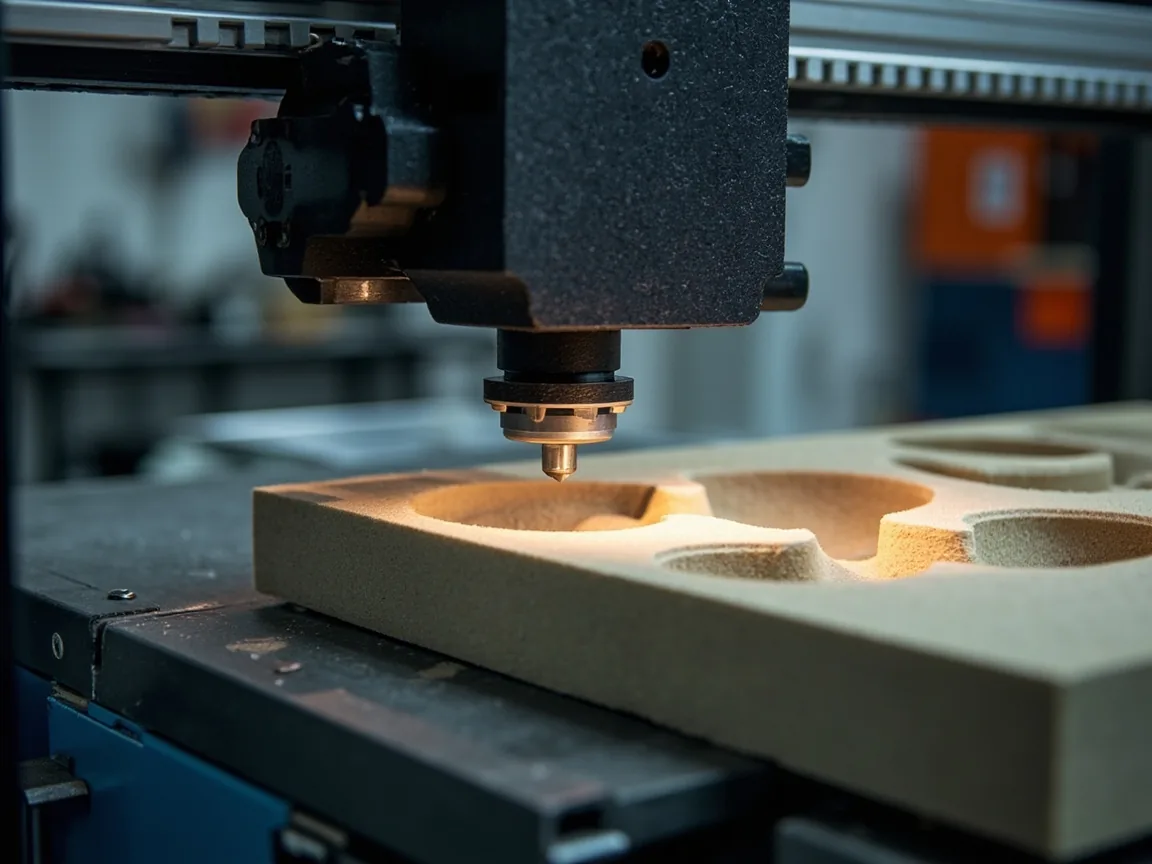
Three insert materials dominate: EVA (closed-cell, waterproof, firm support for precision instruments), PU foam (open-cell, soft cushioning, economical) and XLPE (chemically inert, non-shedding — preferred for medical and optics). CNC pockets are cut from the equipment's 3D data; drawing-to-first-sample typically takes 1–2 weeks.
Typical Applications
- Mapping and inspection UAV field operations
- Agricultural drone transport between sites
- Underwater ROV dockside and onboard storage
- FPV racing and training carry
- OEM co-packing for drone manufacturers
- Robot prototype shipping for R&D labs
Product Overview
The kexinMaterials Sealed FPV Drone Case is one-piece molded from engineering plastics, balancing impact strength, sealing and long-term durability — available from stock or fully customized. Key specs below.
On process: the Sealed FPV Drone Case can be injection, rotational or blow molded. Injection gives precise sealing and repeatability; rotomolding yields large seamless shells with thick-wall toughness; blow molding suits light, economical builds. kexinMaterials runs all three lines and matches the process to your protection grade and budget.
For interior protection, the Sealed FPV Drone Case ships with or accepts CNC-cut EVA/PE foam, routed to your equipment's 3D data so nothing shifts in transit; precision instruments can add ESD-safe or cushioned layered structures.
On quality, the Sealed FPV Drone Case passes batch drop, stack and immersion checks; key models can be tested to MIL-STD-810H for drop and vibration, with material and third-party test reports supplied for export and industry acceptance.
Manufacturing Process
Injection-molded shells deliver maximum protection for complete aircraft and ground stations, while thermo-compressed EVA composite shells serve weight-critical backpack applications. Battery compartments use flame-retardant compounds with engineered vent paths.
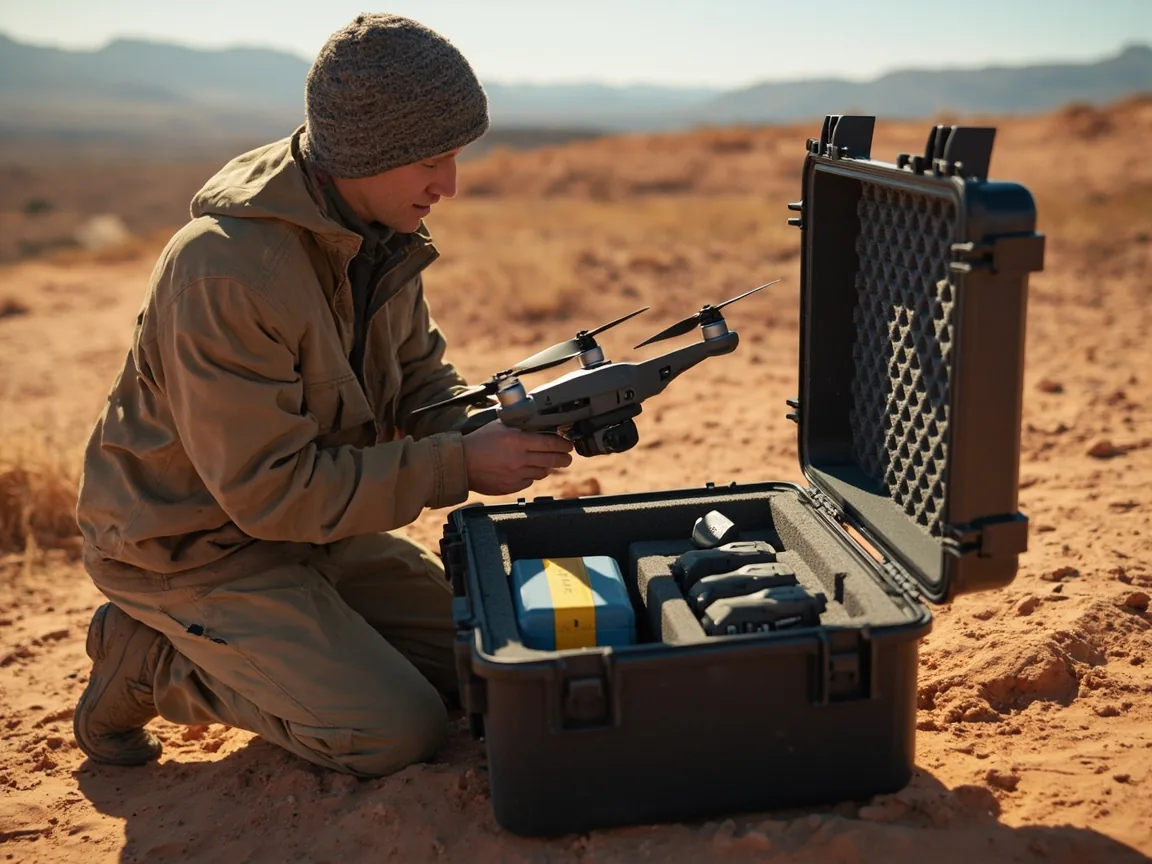
Field Case Studies
Developed 8,000 transit cases with separate blade and battery bays; zero transport-damage complaints across the 2023 peak season.
1,500 CNC-cut cases for a hexacopter with tablet and controller bays, passing ISTA 3A transit testing.
About kexinMaterials
KeXin New Materials (Guangdong) Co., Ltd. (brand: kexinMaterials) is a source factory for engineered plastic cases based in Guangdong, China, operating injection, rotational and blow molding lines with an in-house tool shop. Nine product series serve buyers worldwide — from military and drone cases to medical, photography and business lines.
Why kexinMaterials: factory-direct pricing with no middle-man margin; three molding processes under one roof; in-house tooling for controlled lead times; batch drop and seal testing; factory audits, samples-first and third-party QC all supported.