Drone Case manufacturing process — short answer: judge three things: ingress protection (IP67 = 1 m for 30 min), impact structure (26-drop military testing) and foam fit (EVA/PU/XLPE by payload). Details below, standard by standard.
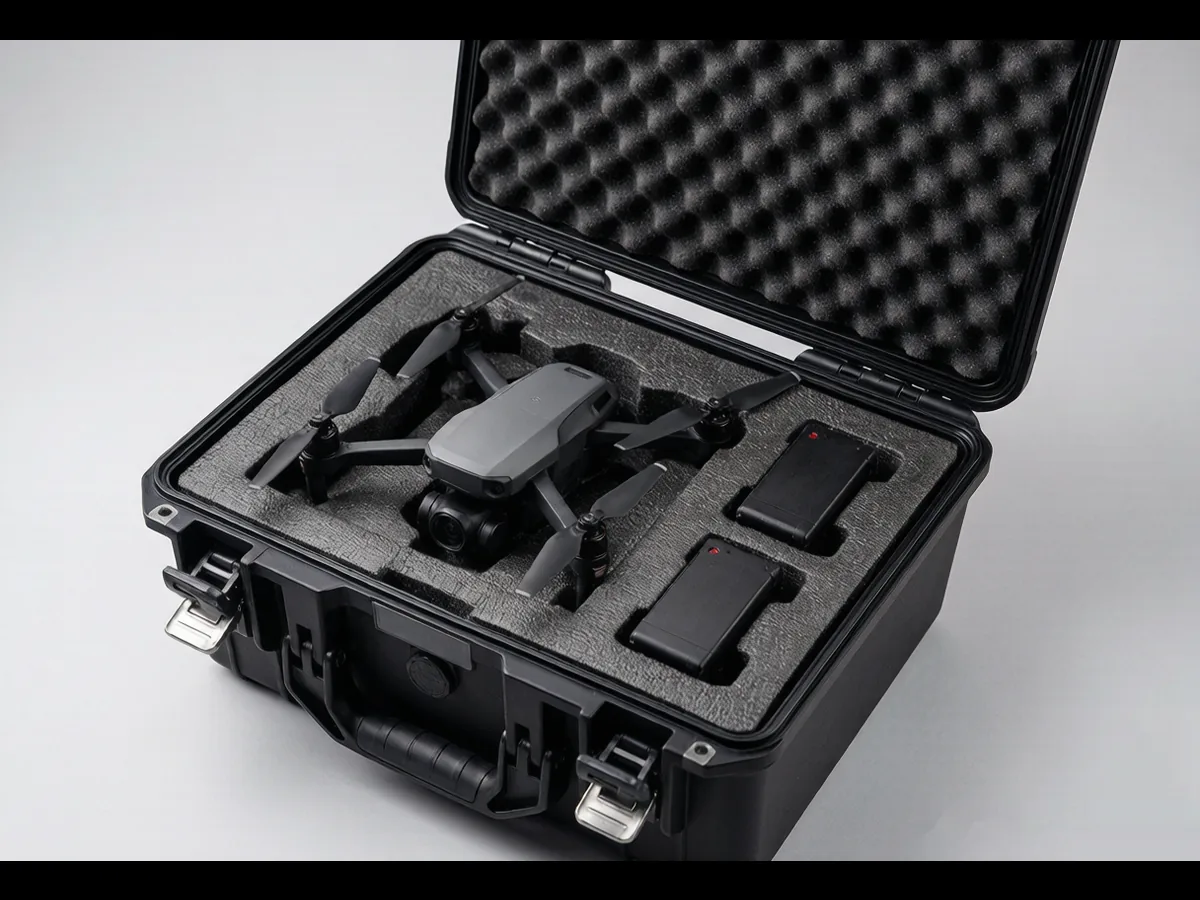
A drone case is a purpose-built transport case for quadcopters, batteries and controllers, with CNC-cut EVA or foam inserts shaped to the airframe to prevent impact and vibration damage in transit.
Frequently Asked Questions
Can you print our company logo and asset numbers?
How does OEM co-packing work?
How do I place an order or get a quote?
Will the case survive airline baggage handling?
What is the difference between EVA and EPE foam?
Can I fly with lithium batteries inside a drone case?
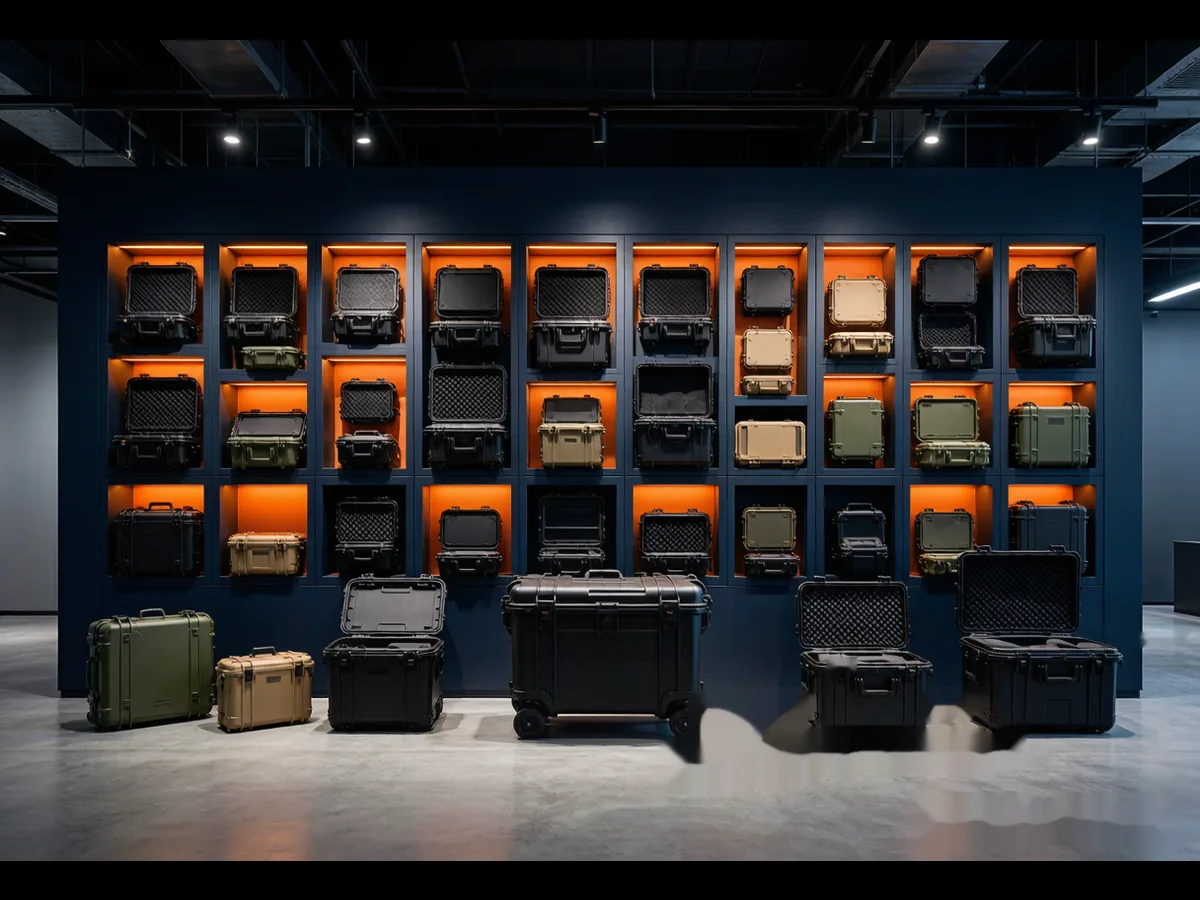
Drone Case manufacturing process: Product & Manufacturer Overview
kexinMaterials pairs impact-resistant molded shells with CNC-cut EVA interiors matched to your airframe. Popular mapping, spraying and inspection platforms are already in our insert database; for custom builds we 3D-scan the aircraft and cut a dedicated layout for props, gimbal, batteries and controller.
Battery logistics is the hidden risk in drone operations. Our Drone Case manufacturing process line offers flame-retardant battery compartments with pressure-relief design to contain thermal-runaway events during field work and bulk transport.
Key Specifications
| Shell material | Modified PP / ABS / molded EVA composite |
|---|---|
| Protection rating | IP67 |
| Interior | Airframe-specific EVA, anti-static foam, LiPo-safe compartment |
| Carry options | Handle / trolley wheels / hard-shell backpack |
| Fits | Multirotor UAVs, FPV drones, underwater ROVs, robots & accessories |
| Customization | 3D-scan foam cutting, logo printing, colors, co-packing |
How kexinMaterials Compares
| kexinMaterials | Generic market cases | |
|---|---|---|
| Protection | IP67 + silicone gasket + pressure valve for field use | Often unsealed, risky in rain |
| Foam | Model-specific CNC-cut library (mapping/spraying/inspection) | Generic foam, props/gimbal crushed |
| Battery safety | Separate battery bay, flame-retardant foam, venting | Batteries mixed with airframe, no isolation |
| Strength/weight | Modified PP copolymer, thin yet tough, lighter kit | Uneven walls, heavier overall |
| MOQ | Stock for popular models, custom from 100 pcs | Mostly reselling, high custom barrier |
| Export docs | UN38.3 / ISTA 3A guidance provided | Compliance docs missing |
Standards & Industry Data
Market Size & Growth
The global industrial protective case market was worth about USD 2.05 billion in 2025 and is projected to reach USD 2.88 billion by 2032 (5.0% CAGR). Military & defense is the largest application (~30%), drone-related cases are the fastest-growing niche, North America is the largest region and APAC grows fastest.
Military Drop Test (MIL-STD-810H, Method 516.8 Proc. IV)
MIL-STD-810H (8th revision, 2019; 29 test methods) requires transit-drop samples to survive 26 drops from up to 5 ft (1.5 m) onto steel-backed concrete in varied orientations. Versus 810G, the H revision raised drop height from 4 ft to 5 ft and switched to a harder steel-backed surface.
Foam Inserts (EVA / PU / XLPE)
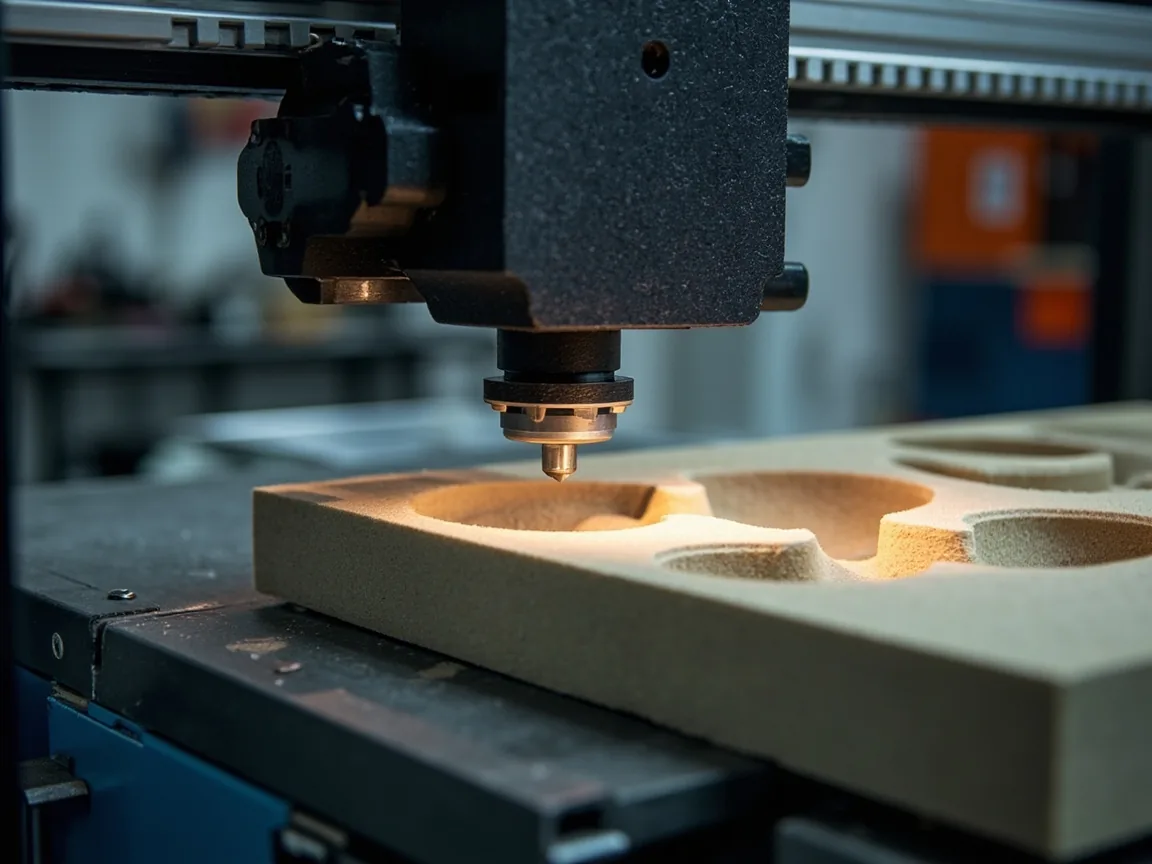
Three insert materials dominate: EVA (closed-cell, waterproof, firm support for precision instruments), PU foam (open-cell, soft cushioning, economical) and XLPE (chemically inert, non-shedding — preferred for medical and optics). CNC pockets are cut from the equipment's 3D data; drawing-to-first-sample typically takes 1–2 weeks.
Typical Applications
- Mapping and inspection UAV field operations
- Agricultural drone transport between sites
- Underwater ROV dockside and onboard storage
- FPV racing and training carry
- OEM co-packing for drone manufacturers
- Robot prototype shipping for R&D labs
Buying Questions Answered
For 'Drone Case manufacturing process', the FAQ below gathers what buyers ask most — price structure, MOQ, customization flow and lead time — to speed up your sourcing decision.
When comparing Drone Case manufacturing process suppliers, weigh four things: shell material and wall thickness, seal design and verified ingress rating, interior-foam capability, and whether the factory owns tooling and QC in-house — these decide long-term reliability.
Before sourcing a Drone Case manufacturing process, note the payload's largest dimensions, single-unit weight and shipping mode (air/land/sea). Send those to kexinMaterials and you get a matched case recommendation and quote fastest.
Manufacturing Process
Injection-molded shells deliver maximum protection for complete aircraft and ground stations, while thermo-compressed EVA composite shells serve weight-critical backpack applications. Battery compartments use flame-retardant compounds with engineered vent paths.
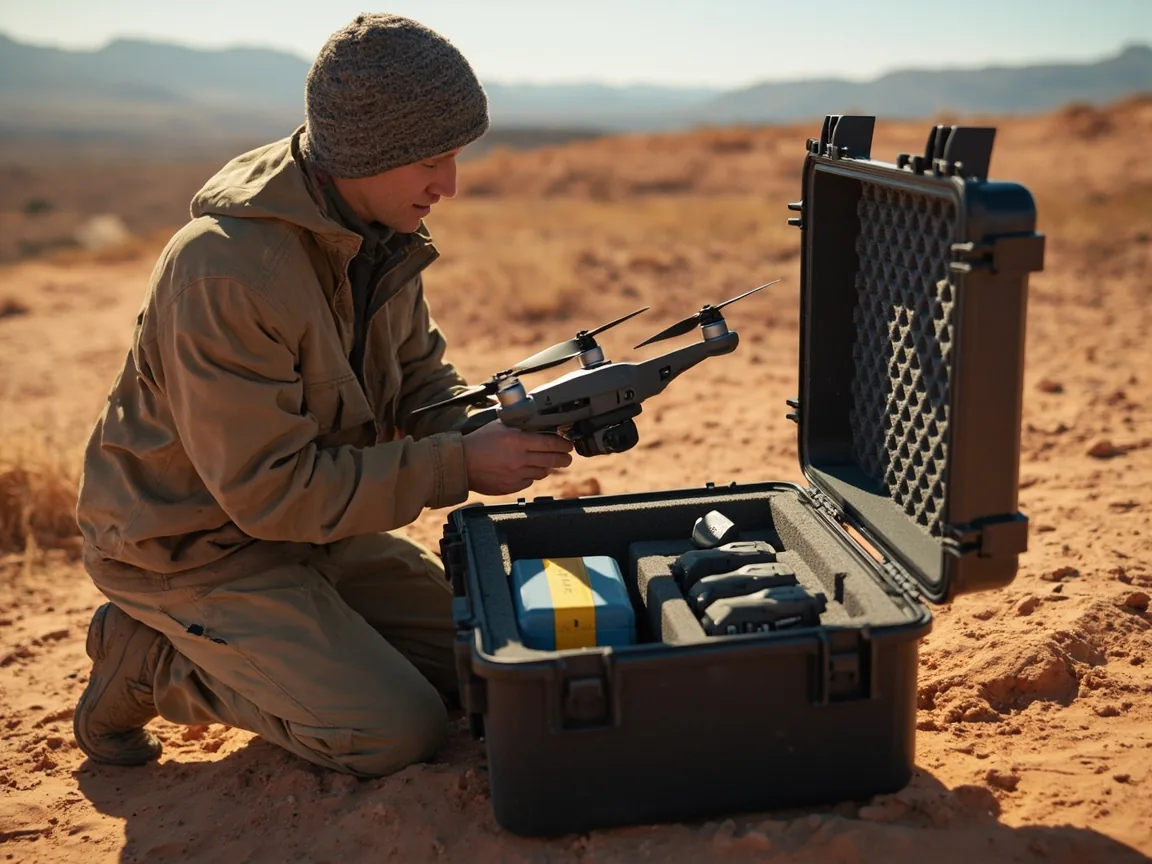
Field Case Studies
Developed 8,000 transit cases with separate blade and battery bays; zero transport-damage complaints across the 2023 peak season.
1,500 CNC-cut cases for a hexacopter with tablet and controller bays, passing ISTA 3A transit testing.
About kexinMaterials
KeXin New Materials (Guangdong) Co., Ltd. (brand: kexinMaterials) is a source factory for engineered plastic cases based in Guangdong, China, operating injection, rotational and blow molding lines with an in-house tool shop. Nine product series serve buyers worldwide — from military and drone cases to medical, photography and business lines.
Why kexinMaterials: factory-direct pricing with no middle-man margin; three molding processes under one roof; in-house tooling for controlled lead times; batch drop and seal testing; factory audits, samples-first and third-party QC all supported.