Detonator Box Export for Australia at a glance: the industrial protective case market is ~USD 2.05 B (2025) heading to USD 2.88 B by 2032 (5.0% CAGR); military leads demand and drone cases grow fastest. Verify IP67 and MIL-STD test reports when sourcing.
A military-grade protective case is a MIL-SPEC transit container built from modified engineering plastics with one-piece molded construction, IP67 sealing, a -40°C to +80°C service range and impact-resistant structure, verifiable against MIL-STD test profiles.
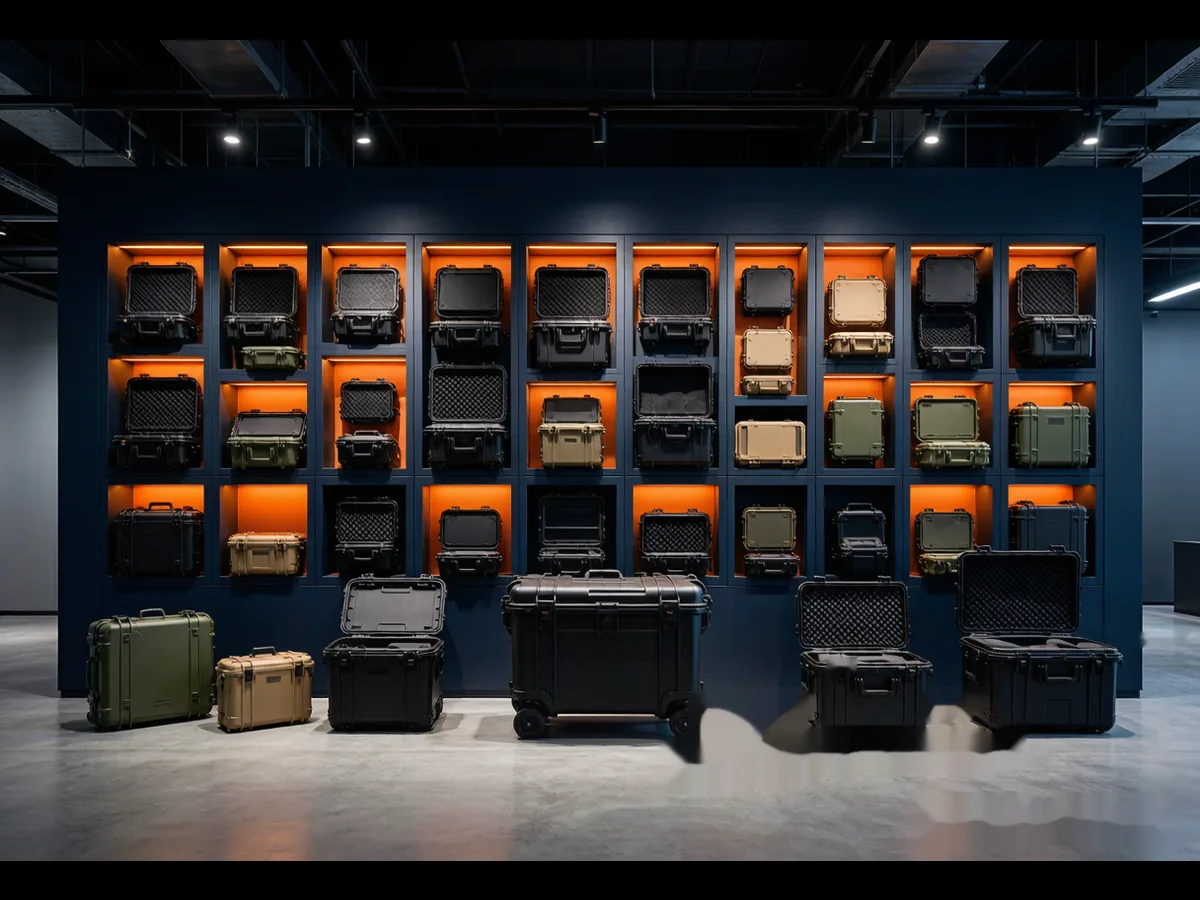
Detonator Box Export for Australia: Product & Manufacturer Overview
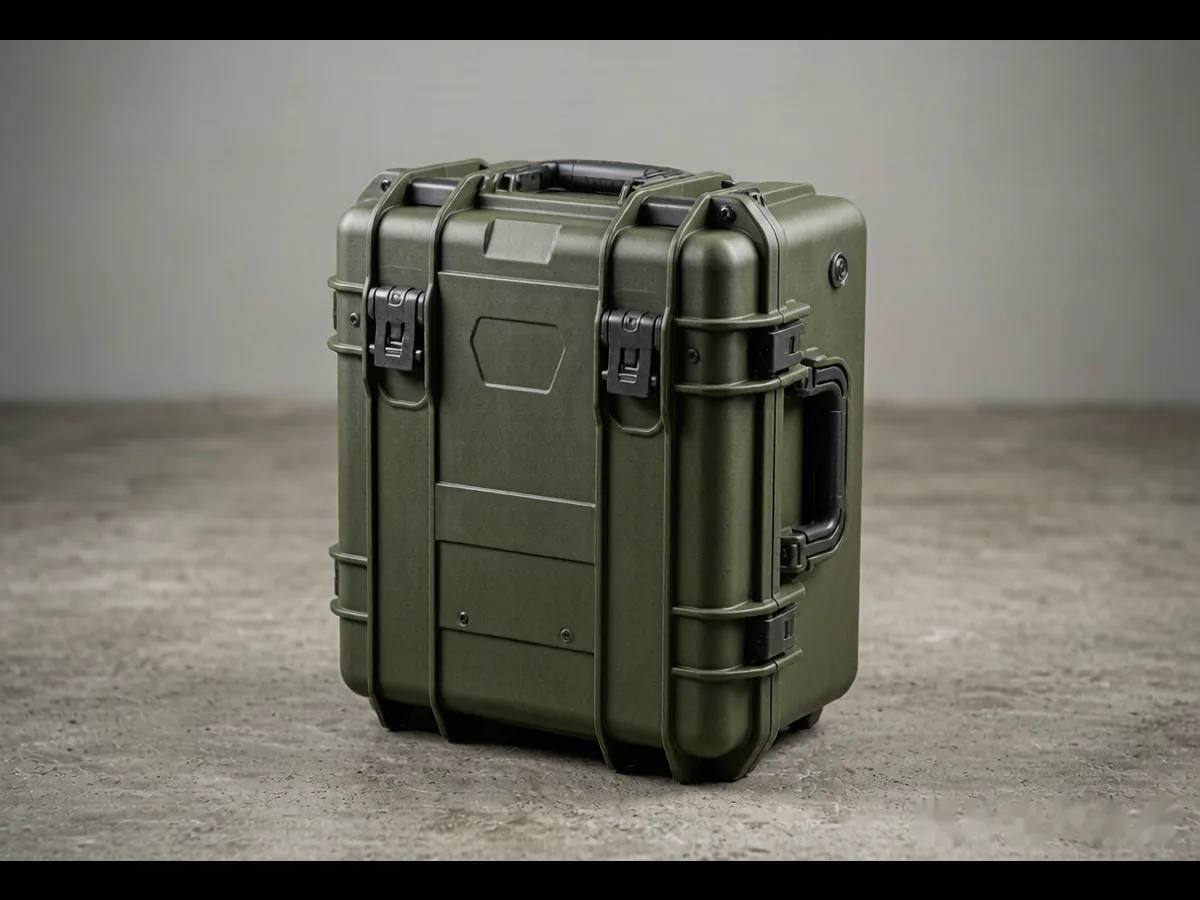
A dependable Detonator Box Export for Australia must survive rough handling, extreme temperatures and harsh field conditions while keeping the payload intact. kexinMaterials engineers military-grade protective cases from modified engineering plastics with one-piece molded construction, batch-tested for drop, stacking and immersion performance.
kexinMaterials supplies the Detonator Box Export for Australia to defense contractors, law-enforcement suppliers and emergency-response distributors worldwide. Cases can be verified against MIL-STD test profiles including salt fog, vibration and temperature cycling on request.
Key Specifications
| Shell material | Modified PP / ABS / Rotomolded PE / Glass-fiber reinforced |
|---|---|
| Protection rating | IP67 (IP68 solutions available) |
| Temperature range | -40°C to +80°C |
| Molding process | Injection molding / Rotational molding |
| Interior | Custom EVA, layered foam, divider systems |
| Testing | Drop, stacking, immersion, salt fog, thermal cycling |
| Customization | Size, color (OD green/black/tan/camo), logo, locks |
How kexinMaterials Compares
| Dimension | kexinMaterials | Generic market cases |
|---|---|---|
| Protection rating | IP67 (IP68 available, with third-party immersion report) | Mostly IP54–IP65, rarely independently tested |
| Shell material | Modified PP / ABS / rotomolded PE, chosen by load | Generic PP or recycled material, inconsistent |
| Impact structure | One-piece ribbed shell, verified to MIL-STD-810H 516.8 | Thin-wall molding, no drop verification |
| Custom foam | CNC-cut EVA/foam to your equipment 3D data | Universal dividers only, no precision pockets |
| MOQ | From 50 pcs on existing molds, negotiable for tooling | Usually 500–1,000 pcs |
| Certification & delivery | Material/drop/immersion reports, factory audits welcome | Reports missing, lead time unstable |
Standards & Industry Data
IP Ratings (IEC 60529)
In IP67, the “6” means dust-tight (no dust ingress after a 2 kPa vacuum dust test) and the “7” means temporary immersion: the enclosure survives 30 minutes at 1 m depth with its highest point at least 150 mm below the surface, per IEC 60529 Clause 14.2.7.
Extreme Temperature Performance
Engineering-grade cases typically operate from -30°C to +80°C (military testing follows MIL-STD-810H Methods 501.7/502.7 for temperature and 503.7 for thermal shock, cycling as wide as -40°C↔+71°C). For cold climates choose PP copolymer or PE shells — standard ABS embrittles at low temperatures.
Military Drop Test (MIL-STD-810H, Method 516.8 Proc. IV)
MIL-STD-810H (8th revision, 2019; 29 test methods) requires transit-drop samples to survive 26 drops from up to 5 ft (1.5 m) onto steel-backed concrete in varied orientations. Versus 810G, the H revision raised drop height from 4 ft to 5 ft and switched to a harder steel-backed surface.
Typical Applications
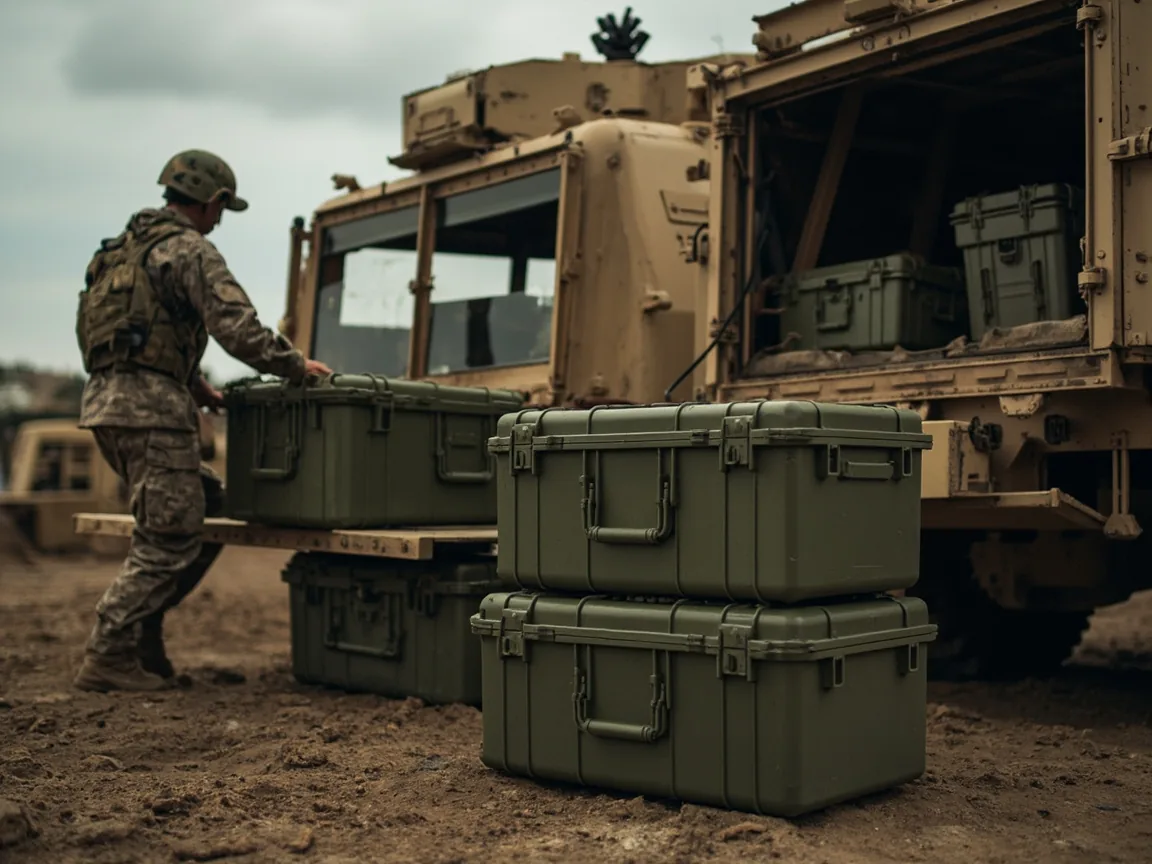
- Defense equipment transport and field deployment
- Law-enforcement gear storage and patrol carry
- Regulated transport of blasting materials
- Emergency-response pre-positioned supplies
- Field testing for defense research institutes
- Security equipment inspection rounds
Target Market Export Solutions
kexinMaterials localizes the Detonator Box Export for Australia for each destination: colors and configurations tuned to market preference, compliance files prepared to local rules, and packing optimized for the shipping lane.
Markets differ sharply — Europe and North America weigh certifications and material declarations; the Middle East and Africa weigh heat resistance and value; Southeast Asia weighs humidity protection and low MOQs. Our export team advises per your target market.
Manufacturing Process
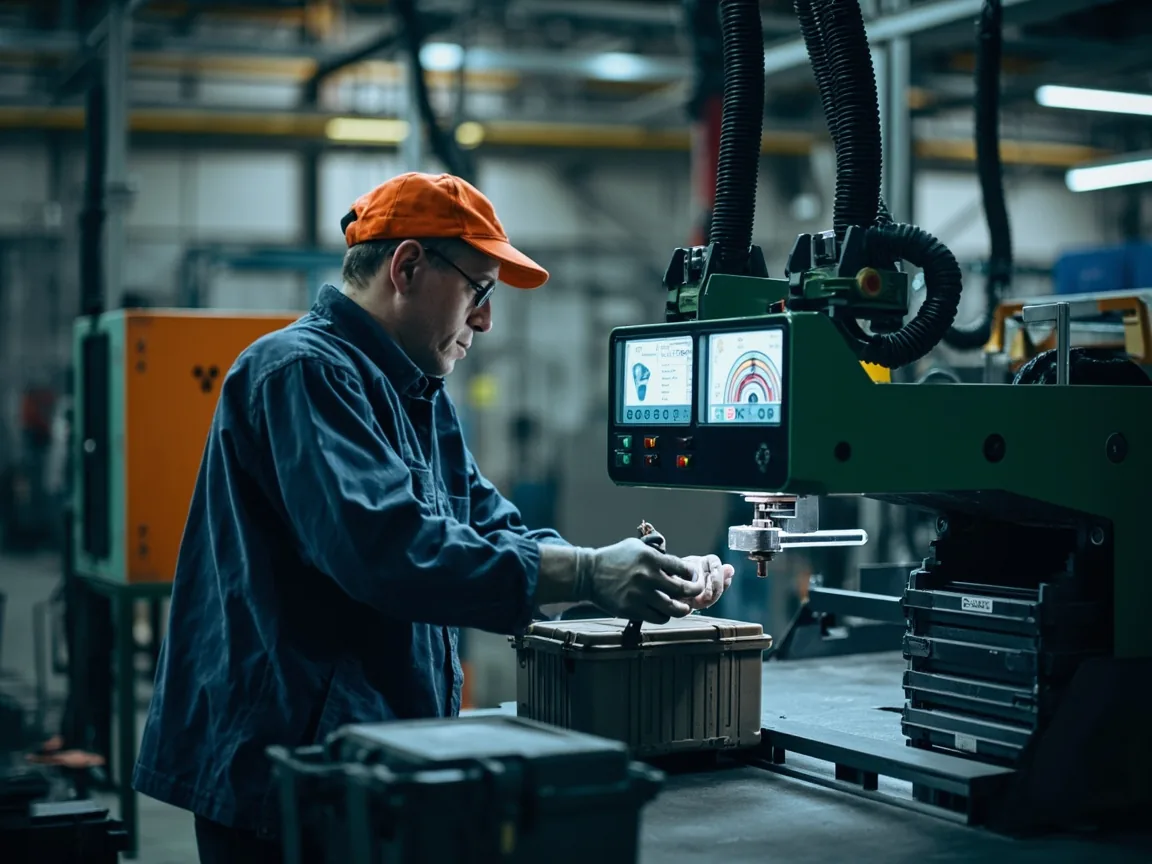
Small and mid-size carry cases are produced by high-pressure injection molding for dimensional precision, while large transit and airdrop cases are rotationally molded for seamless walls and maximum toughness. Every production batch passes drop and seal spot checks before shipment.
Field Case Studies
Customized 1,200 camo tactical cases for carry and patrol gear, CNC-cut to sidearm and body-cam shapes with seal holes and shoulder straps; fielded in 2024 with zero damage reports.
OEM-branded 5,000 OD-green tactical cases with CE/REACH docs, delivered in three batches, >40% repeat rate.
About kexinMaterials
KeXin New Materials (Guangdong) Co., Ltd. (brand: kexinMaterials) is a source factory for engineered plastic cases based in Guangdong, China, operating injection, rotational and blow molding lines with an in-house tool shop. Nine product series serve buyers worldwide — from military and drone cases to medical, photography and business lines.
Why kexinMaterials: factory-direct pricing with no middle-man margin; three molding processes under one roof; in-house tooling for controlled lead times; batch drop and seal testing; factory audits, samples-first and third-party QC all supported.