Deep Camera Rolling Case: confirm internal dimensions first (equipment size plus foam allowance), then protection rating (IP67 is the benchmark) and shell material (PP for value, ABS for surface hardness, rotomolded PE for large sizes). Custom sizes available via tooling.
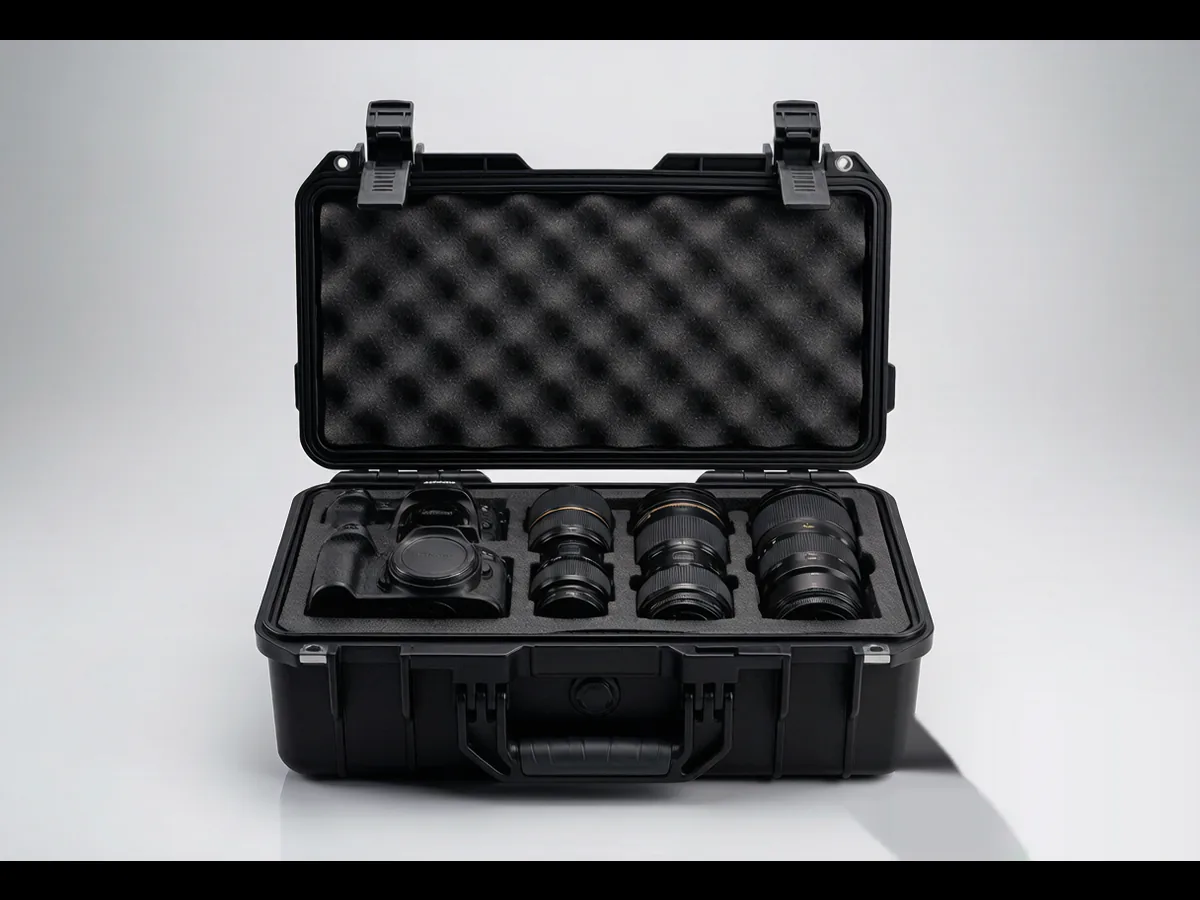
A photography case gives cameras, lenses and accessories shock- and moisture-protected transport, with inserts cut to the kit layout so bodies and glass do not press against each other.
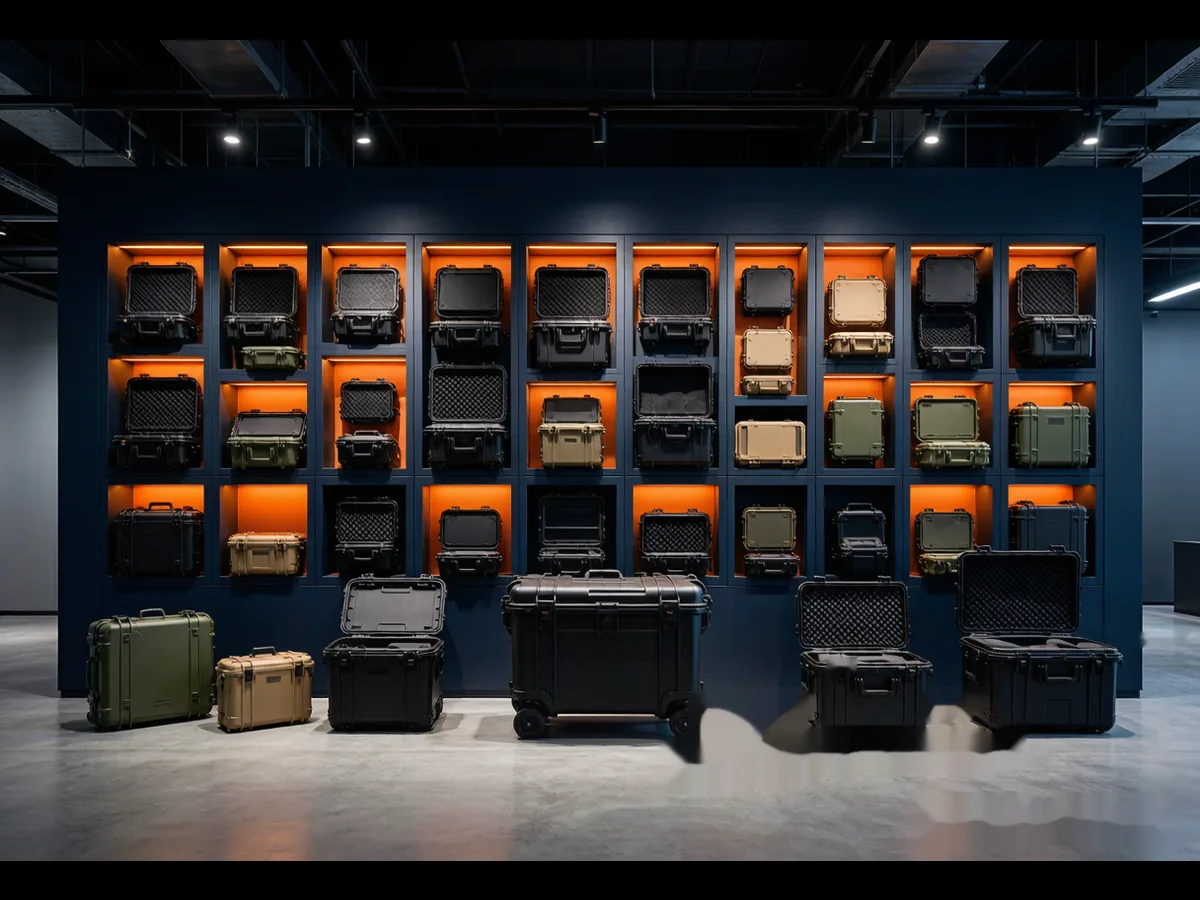
Deep Camera Rolling Case: Product & Manufacturer Overview
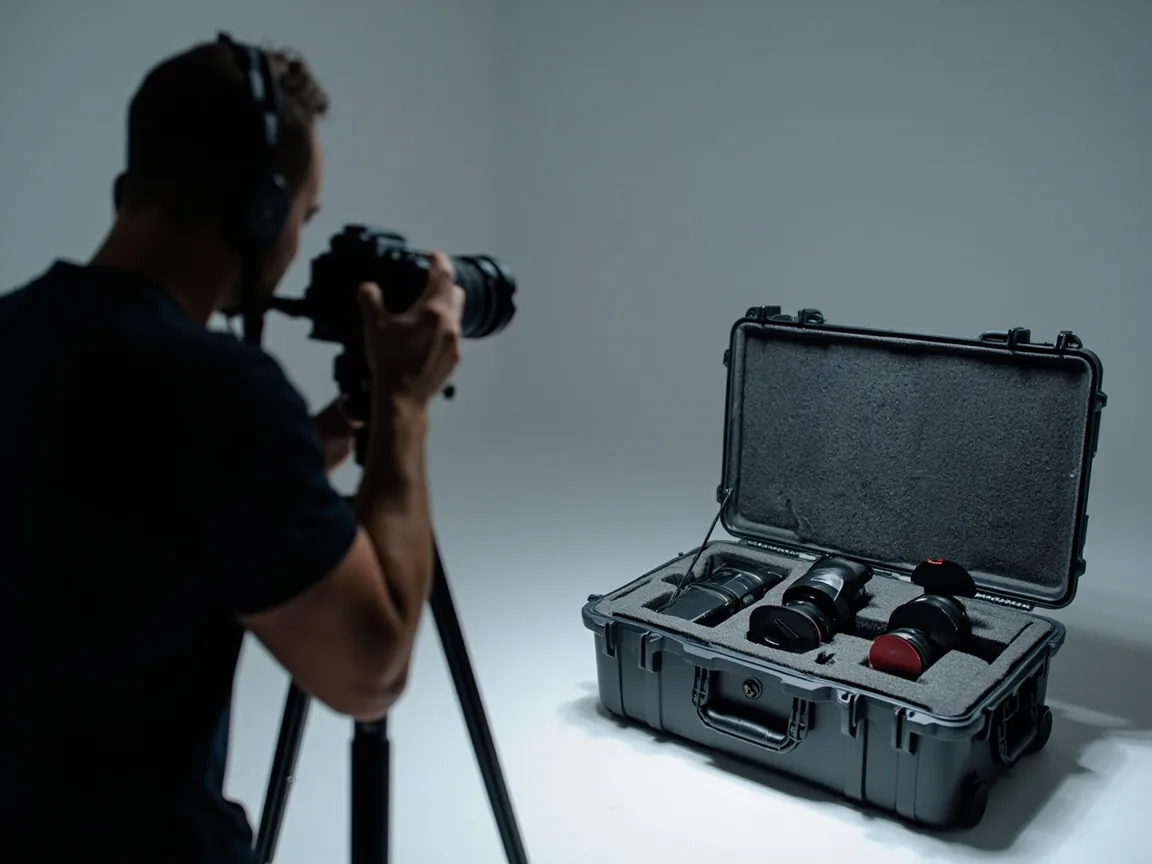
For rental houses and production companies, kexinMaterials customizes the Deep Camera Rolling Case at fleet scale: company branding, serialized numbering and inserts cut to your rental checklist, delivered inventory-ready.
Camera kit changes fast, so interior flexibility matters. kexinMaterials offers pick-and-pluck foam and hook-and-loop dividers — when your gear evolves, reconfigure the interior instead of replacing the case.
Key Specifications
| Hard case material | Modified PP / ABS, IP67 sealed |
|---|---|
| Flight case build | Multi-ply board + aluminum extrusion + butterfly latches |
| Interior | Custom EVA / pick-and-pluck foam / dividers |
| Wheels | Silent casters, brake casters optional |
| Fits | Cameras, lenses, lighting, audio, instruments, switchers |
| Customization | Branding, serial numbers, checklist-cut inserts |
How kexinMaterials Compares
| Dimension | kexinMaterials | Generic market cases |
|---|---|---|
| Foam precision | CNC-cut to body/lens shapes | Generic foam dents optics |
| Rating | IP67, moisture and dust proof | Plain cases leak |
| Rigidity | ABS crush-resistant, screen-safe | PP dents under load |
| Dividers | Adjustable baffles + mesh pockets | Fixed grids |
| MOQ | From 50 pcs, kit custom | Mostly reselling |
| Certification | Drop/vibration reports provided | Incomplete docs |
Standards & Industry Data
Market Size & Growth
The global industrial protective case market was worth about USD 2.05 billion in 2025 and is projected to reach USD 2.88 billion by 2032 (5.0% CAGR). Military & defense is the largest application (~30%), drone-related cases are the fastest-growing niche, North America is the largest region and APAC grows fastest.
Foam Inserts (EVA / PU / XLPE)
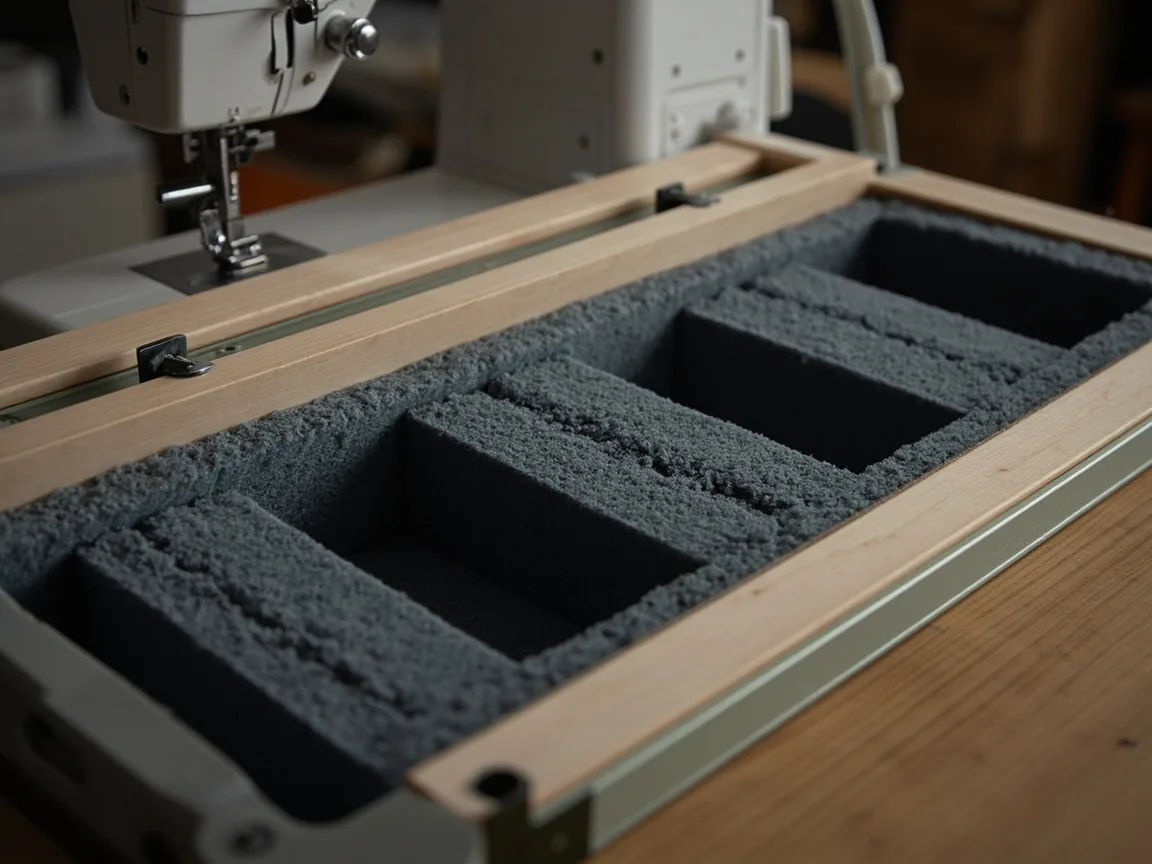
Three insert materials dominate: EVA (closed-cell, waterproof, firm support for precision instruments), PU foam (open-cell, soft cushioning, economical) and XLPE (chemically inert, non-shedding — preferred for medical and optics). CNC pockets are cut from the equipment's 3D data; drawing-to-first-sample typically takes 1–2 weeks.
IP Ratings (IEC 60529)
In IP67, the “6” means dust-tight (no dust ingress after a 2 kPa vacuum dust test) and the “7” means temporary immersion: the enclosure survives 30 minutes at 1 m depth with its highest point at least 150 mm below the surface, per IEC 60529 Clause 14.2.7.
Typical Applications
- Location shoots and gear carry
- Production moves and airline check-in
- Touring lighting and audio rigs
- Instrument transport and storage
- Rental house asset management
- Live-stream and switcher kits
Sizing & Selection Guide
To size a Deep Camera Rolling Case, measure the largest 3D dimensions of the payload and allow 30–50 mm per side for foam, then match against internal case dimensions. Above 30 kg payloads, add wheels and reinforced bases.
kexinMaterials stocks a full size run from personal cases to large transit trunks with published internal dimensions; if nothing fits, we evaluate mold revisions or new tooling — selection advice is free.
Manufacturing Process
The hard-case line is injection molded with immersion spot checks; flight cases are panel-cut to measured equipment dimensions, riveted with corner and handle reinforcement, then pass full-load drop and caster endurance tests.
Field Case Studies
1,200 camera cases CNC-cut to body/lens shapes, zero optics damage in field transport.
800 kit cases with adjustable baffles and mesh pockets, faster on-site workflow.
About kexinMaterials
KeXin New Materials (Guangdong) Co., Ltd. (brand: kexinMaterials) is a source factory for engineered plastic cases based in Guangdong, China, operating injection, rotational and blow molding lines with an in-house tool shop. Nine product series serve buyers worldwide — from military and drone cases to medical, photography and business lines.
Why kexinMaterials: factory-direct pricing with no middle-man margin; three molding processes under one roof; in-house tooling for controlled lead times; batch drop and seal testing; factory audits, samples-first and third-party QC all supported.