Anti-static Laboratory Equipment Case is an engineered protective case in the instrument case family: built by source factory kexinMaterials with IP67 sealing, impact-resistant PP copolymer or rotomolded PE shells and CNC-cut custom foam; wholesale, OEM and export supported.
An instrument case protects precision measuring and testing equipment in transit, emphasizing shock absorption, moisture resistance and custom foam so instruments stay calibrated between lab and field.

Anti-static Laboratory Equipment Case: Product & Manufacturer Overview
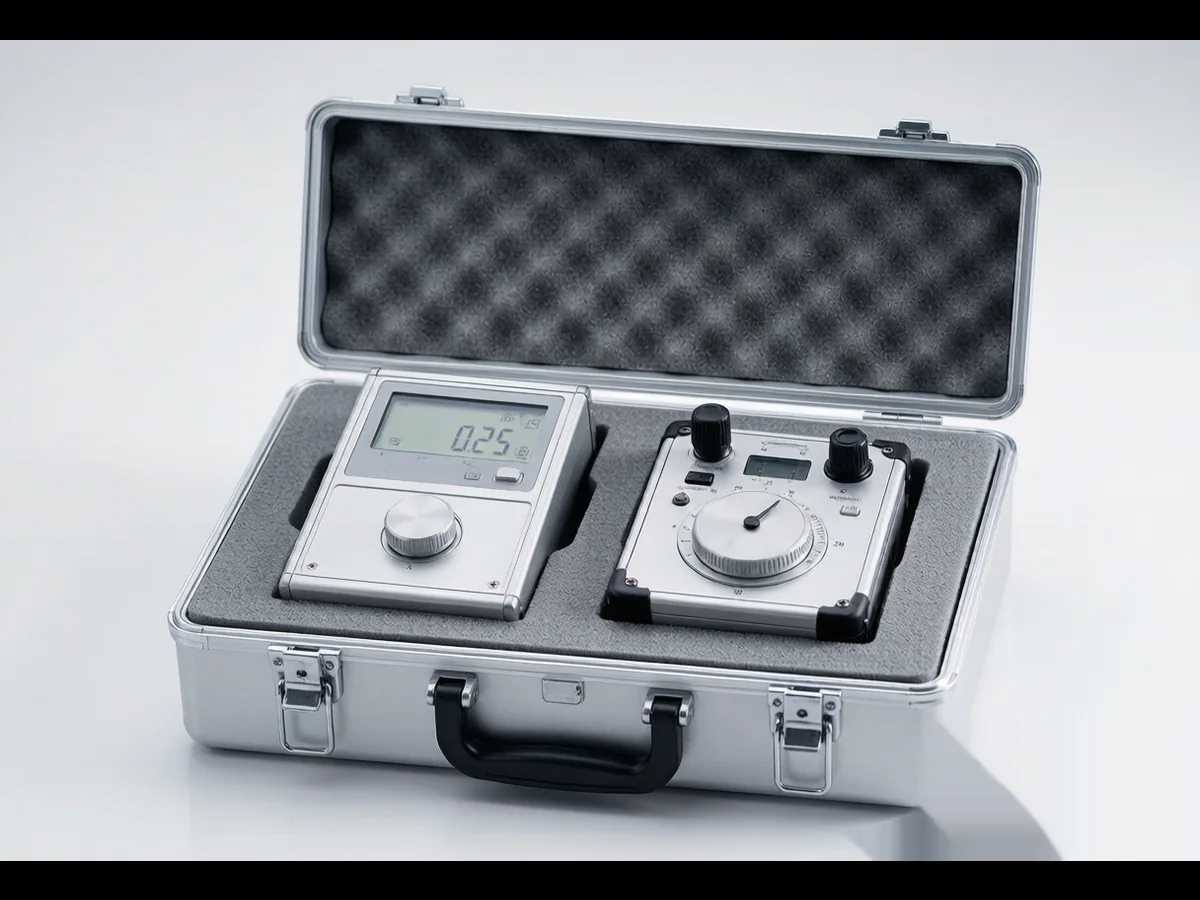
The kexinMaterials Anti-static Laboratory Equipment Case uses a hard-shell-plus-layered-cushion architecture: a one-piece engineering plastic exterior against impact and crushing, and a CNC-cut EVA or PU foam interior shaped to the instrument, with desiccant chambers and humidity indicators to manage condensation risk.
For buyers, the true cost of a Anti-static Laboratory Equipment Case is more than unit price: carton specs shape freight, and spare parts and replenishment shape long-term use. kexinMaterials optimizes container loading and ships wear-part kits with volume orders to lower your total cost of ownership.
Key Specifications
| Shell material | Modified PP / ABS / aluminum-frame composite |
|---|---|
| Protection rating | IP67 |
| Interior | Custom EVA / PU foam / anti-static foam |
| Pressure relief | Automatic equalization valve (air freight ready) |
| Fits | Surveying, testing, analysis, telecom, metrology instruments |
| Options | Humidity indicator, desiccant chamber, nameplate, co-packing |
How kexinMaterials Compares
| Dimension | kexinMaterials | Generic market cases |
|---|---|---|
| Protection | IP67, thermal-shock verified -40°C↔+71°C | Plain cases fail thermal shock |
| Damping foam | EVA/PU/XLPE CNC-cut to instrument shape | Generic foam under-cushions |
| ESD & clean | Optional anti-static liner, non-shedding XLPE | Sheds debris onto optics |
| Rigidity | ABS high surface hardness, high crush strength | PP softens under stacking |
| MOQ | From 50 pcs, non-standard sizes toolable | Often 500 pcs min |
| Certification | Drop/vibration test reports provided | Incomplete docs |
ESD protection: interior materials hold surface resistance in the 10^6–10^9 ohm range, with conductive shell compounds optional, protecting PCBs and static-sensitive devices.
Standards & Industry Data
Extreme Temperature Performance
Engineering-grade cases typically operate from -30°C to +80°C (military testing follows MIL-STD-810H Methods 501.7/502.7 for temperature and 503.7 for thermal shock, cycling as wide as -40°C↔+71°C). For cold climates choose PP copolymer or PE shells — standard ABS embrittles at low temperatures.
Shell Materials Compared (PP / ABS / PE)
Industry data puts PP (polypropylene) at ~55% of plastic protective-case share — strong chemical resistance, low-temperature toughness and cost efficiency; ABS holds ~30% with harder, glossier surfaces; large thick-wall cases favor rotomolded PE. Plastic/polymer cases together account for 63.7% of the industrial protective case market (2025).
Foam Inserts (EVA / PU / XLPE)
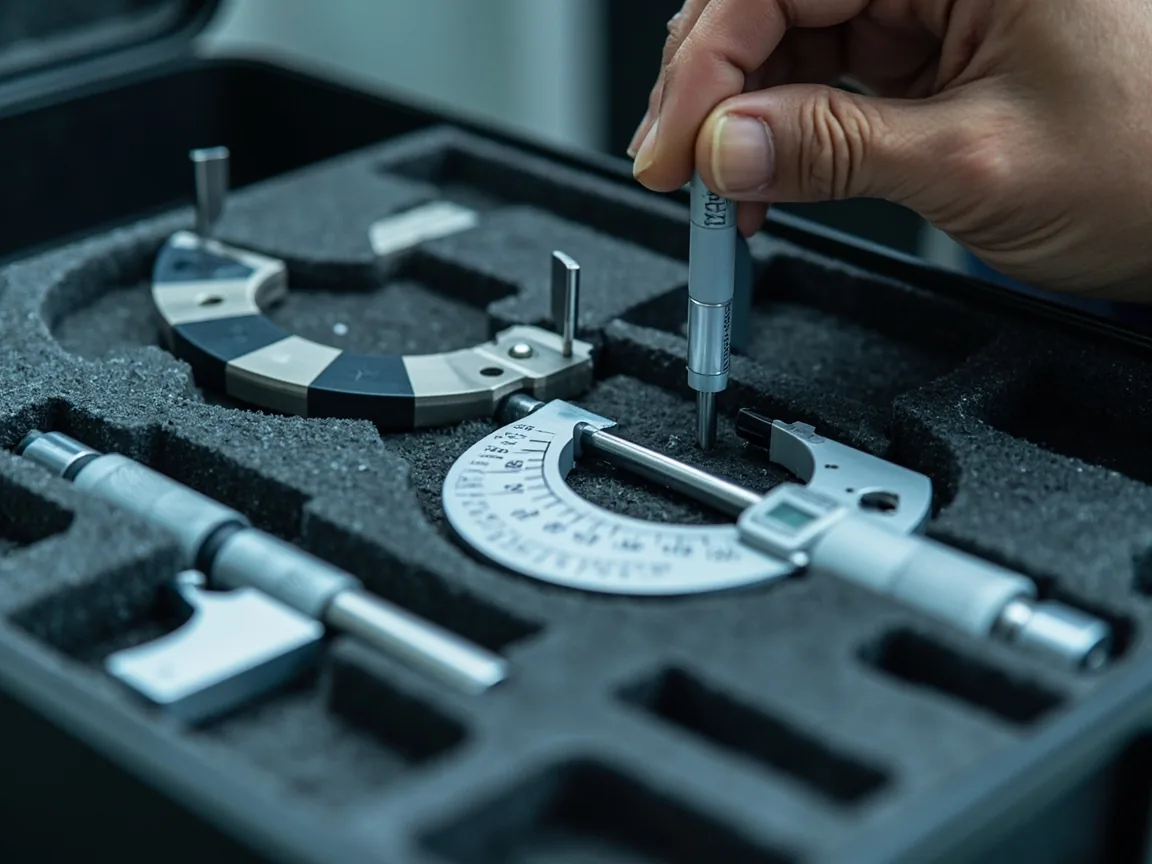
Three insert materials dominate: EVA (closed-cell, waterproof, firm support for precision instruments), PU foam (open-cell, soft cushioning, economical) and XLPE (chemically inert, non-shedding — preferred for medical and optics). CNC pockets are cut from the equipment's 3D data; drawing-to-first-sample typically takes 1–2 weeks.
Typical Applications
- Surveying instrument field carry
- Third-party lab on-site sampling
- Metrology equipment calibration logistics
- Fiber-optic construction toolkits
- Laboratory relocation and equipment loans
- Manufacturer co-packing programs
Product Overview
The kexinMaterials Anti-static Laboratory Equipment Case is one-piece molded from engineering plastics, balancing impact strength, sealing and long-term durability — available from stock or fully customized. Key specs below.
On process: the Anti-static Laboratory Equipment Case can be injection, rotational or blow molded. Injection gives precise sealing and repeatability; rotomolding yields large seamless shells with thick-wall toughness; blow molding suits light, economical builds. kexinMaterials runs all three lines and matches the process to your protection grade and budget.
For interior protection, the Anti-static Laboratory Equipment Case ships with or accepts CNC-cut EVA/PE foam, routed to your equipment's 3D data so nothing shifts in transit; precision instruments can add ESD-safe or cushioned layered structures.
On quality, the Anti-static Laboratory Equipment Case passes batch drop, stack and immersion checks; key models can be tested to MIL-STD-810H for drop and vibration, with material and third-party test reports supplied for export and industry acceptance.
Manufacturing Process
High-pressure injection molding keeps shell tolerances tight for reliable sealing, and inserts are CNC-cut after drop-simulation checks. Volume co-packing projects follow a PDI inspection routine so cushioning performance stays consistent across batches.

Field Case Studies
600 anti-static liner cases for precision calibrators using non-shedding XLPE; zero scratch incidents in annual off-site checks.
3,000 cases CNC-cut to probe shapes, thermal-shock verified -40°C↔+71°C, protecting gear across overseas expos.
About kexinMaterials
KeXin New Materials (Guangdong) Co., Ltd. (brand: kexinMaterials) is a source factory for engineered plastic cases based in Guangdong, China, operating injection, rotational and blow molding lines with an in-house tool shop. Nine product series serve buyers worldwide — from military and drone cases to medical, photography and business lines.
Why kexinMaterials: factory-direct pricing with no middle-man margin; three molding processes under one roof; in-house tooling for controlled lead times; batch drop and seal testing; factory audits, samples-first and third-party QC all supported.