1. What Problem Does This Category Solve
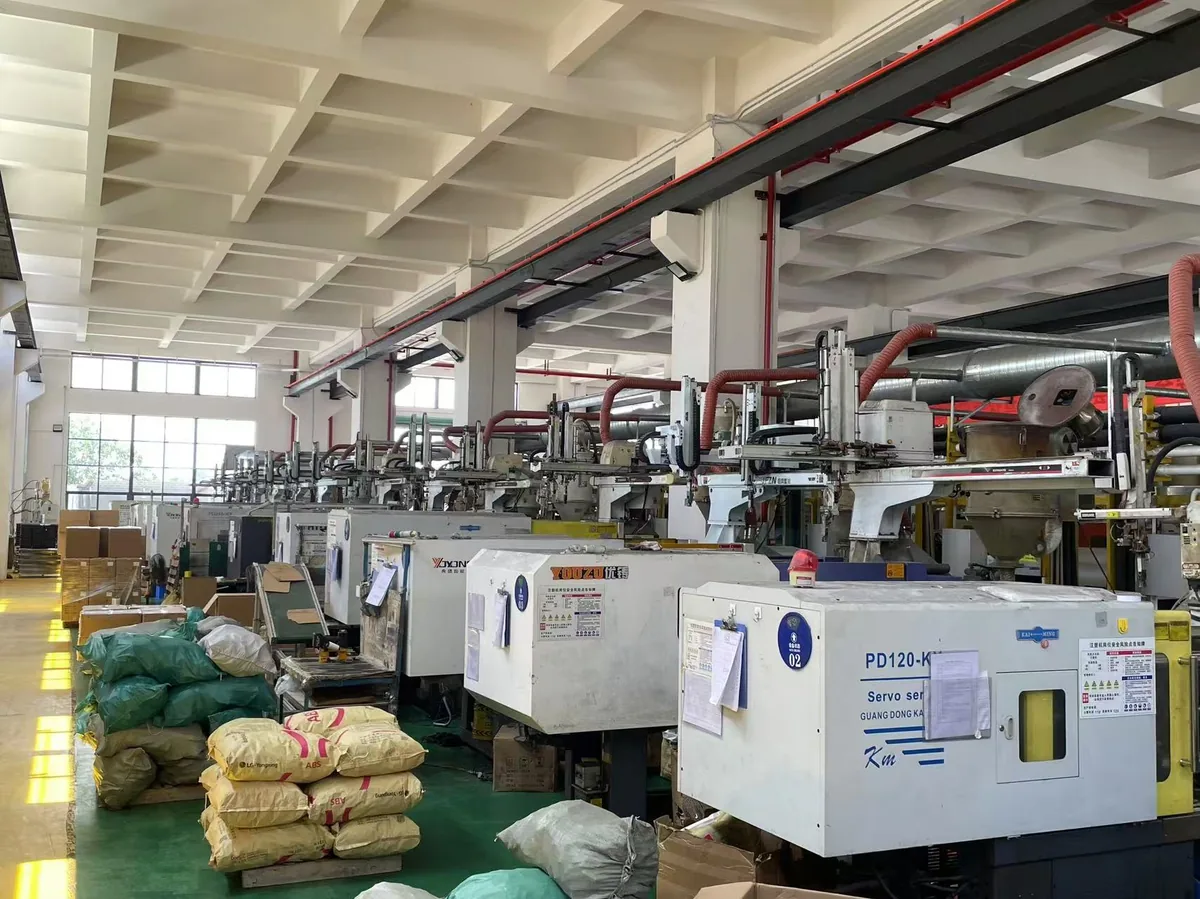
Each molding process sets a different performance envelope: injection for precision, rotomolding for toughness, blow molding for cost. kexinMaterials runs all three lines in one factory, so your rotomolded case gets the right process for its load, size and budget — not whatever a single-process shop happens to own.
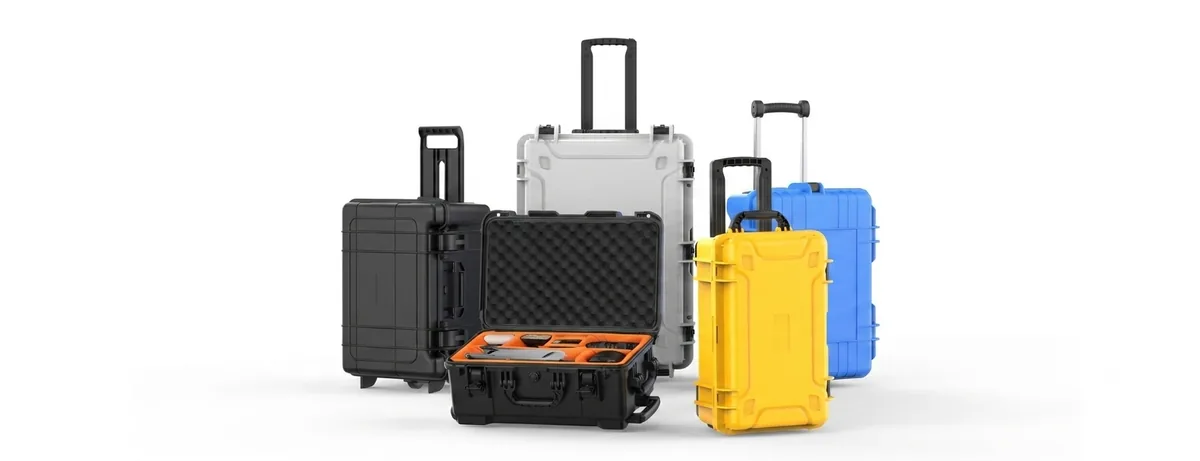
Rotomolded or injection for your rotomolded case? A quick rule: above 800 mm per side or facing brutal handling, choose rotomolding (seamless, tear-resistant); for complex geometry and tight sealing on small-to-mid cases, choose injection. kexinMaterials provides free process selection reviews.
2. Reading the Key Specifications
| Injection molding | High precision and finish for sealed mid/small cases |
|---|---|
| Rotational molding | Seamless, ultra-tough, for large transit cases |
| Blow molding | Lightweight, low cost, for tool boxes and packaging |
| Materials | Modified PP / ABS / LLDPE / glass-fiber reinforced |
| Tooling | In-house shop, steel and aluminum molds |
| Max part size | 3-meter class via rotomolding |
3. Process & Quality
The injection line owns precision and sealing, the rotomolding line owns size and toughness, and the blow molding line owns weight and cost — all sharing one tool shop and QC system, so one supplier covers a multi-process purchasing mix.
4. Top Questions Answered
Rotomolded vs injection molded — how to choose?
Tooling cost and timeline?
Can you run our specified compound?
How do ODM projects work?
What is the MOQ?
5. Getting a Quote
For retail and small orders visit www.beeaa.com. For wholesale and custom programs, send the case type, quantity and deadline — kexinMaterials replies with tiered quotes within 24 hours.