The Restriction of Hazardous Substances (RoHS) Directive 2011/65/EU, amended by (EU) 2015/863, restricts the use of 10 hazardous substances in electrical and electronic equipment. The 10 restricted substances are: lead (Pb), mercury (Hg), cadmium (Cd), hexavalent chromium (Cr6+), polybrominated biphenyls (PBB), polybrominated diphenyl ethers (PBDE), bis(2-ethylhexyl) phthalate (DEHP), benzyl butyl phthalate (BBP), dibutyl phthalate (DBP), and diisobutyl phthalate (DIBP).
While protective cases are not directly electrical equipment, they are often used to transport electronics (drones, instruments, medical devices). EU importers require ROHS compliance for cases carrying electrical equipment. Many procurement agencies (US DoD, UK MoD, EU public sector) also require ROHS regardless of destination.
Testing was performed by SGS using X-ray fluorescence (XRF) spectrometry and ICP-OES (inductively coupled plasma optical emission spectroscopy) for quantitative analysis. Sample preparation: case material was homogenized and dissolved in acid for elemental analysis.
| Substance | Limit (ppm) | Detected (ppm) | Pass |
|---|---|---|---|
| Lead (Pb) | 1000 | <5 | ✓ |
| Mercury (Hg) | 1000 | <2 | ✓ |
| Cadmium (Cd) | 100 | <1 | ✓ |
| Hexavalent chromium (Cr6+) | 1000 | <5 | ✓ |
| PBB / PBDE | 1000 | <10 | ✓ |
| DEHP / BBP / DBP / DIBP | 1000 | <50 | ✓ |
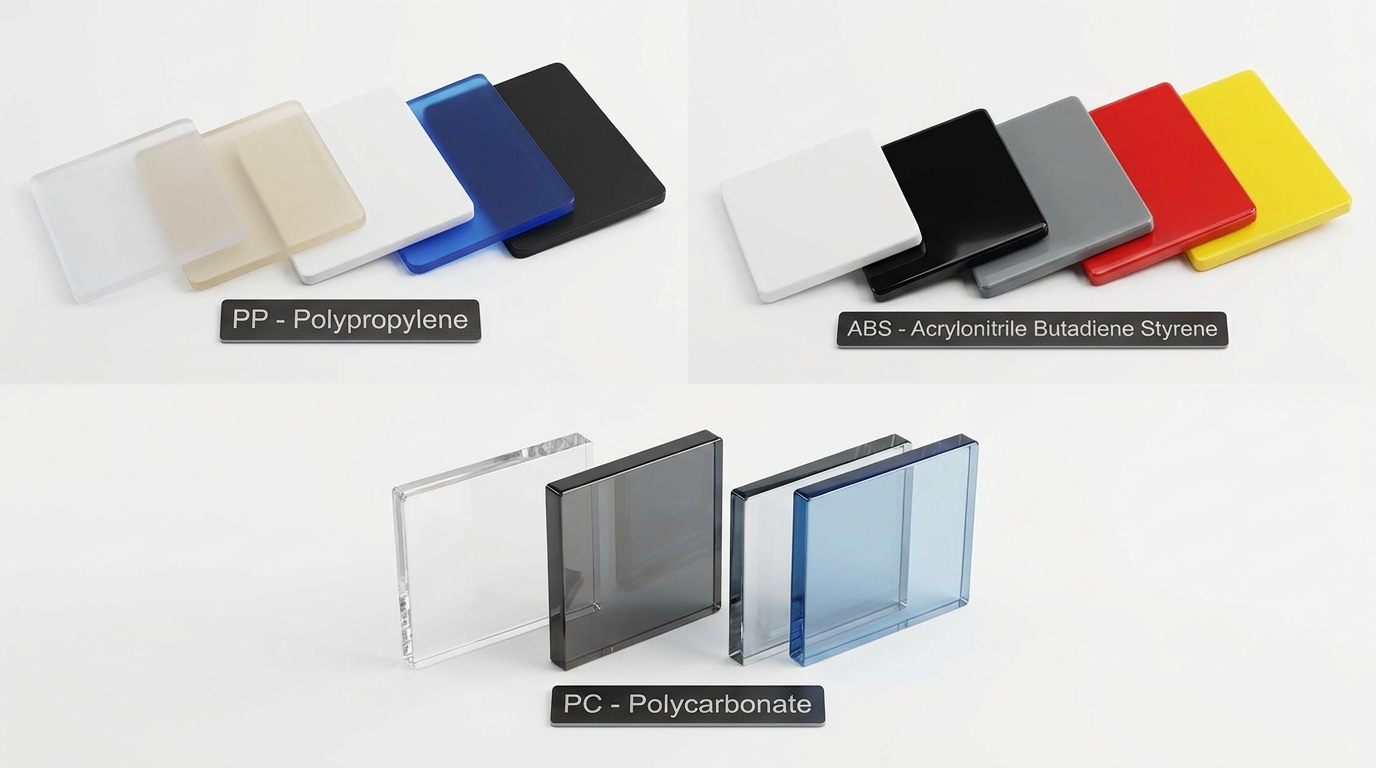
SGS Test Report SHHL2408045678CCD, dated 2024-08-20. The certificate is valid for 3 years; the next test is due by 2027-08. All raw materials (PP, ABS, PC, foam, gaskets) are ROHS-compliant per the certificate.
ROHS (Restriction of Hazardous Substances) is an EU directive that restricts the use of 10 hazardous substances in electrical and electronic equipment.
Cases carrying electrical equipment (drones, instruments) must be ROHS compliant. Many procurement agencies require it regardless.
3 years. The current certificate SHHL2408045678CCD is valid until 2027-08.
RoHS (Restriction of Hazardous Substances) is EU Directive 2011/65/EU restricting the use of specific hazardous materials in electrical and electronic equipment. Current RoHS 3 (2015/863) added 4 phthalates to the original 6 substances.
Restricted substances: Lead (Pb), Mercury (Hg), Cadmium (Cd), Hexavalent chromium (Cr6+), PBB (polybrominated biphenyls), PBDE (polybrominated diphenyl ethers), DEHP, BBP, DBP, DIBP (4 phthalates). Maximum concentrations: 0.1% by weight (1000 ppm), except Cd: 0.01% (100 ppm).
Yes, if the case contains any electronic components (latches with sensors, integrated locks, lighting, etc.). For pure plastic cases, RoHS doesn't strictly apply, but we comply voluntarily for environmental reasons. We also comply with REACH and California Proposition 65.
XRF (X-ray fluorescence) screening: non-destructive, fast (1-2 min per sample). ICP-OES or ICP-MS: precise, quantitative (1-2 days per sample). We use both methods: XRF for production-line screening, ICP for certification testing.
Required: Material Declarations (MD), Compliance Certificates, Test Reports from accredited labs (e.g., SGS, TUV, Intertek), and Technical Files. We provide full documentation for every production batch.
RoHS 3 (Directive 2015/863) added 4 phthalates to the original 6 substances: DEHP, BBP, DBP, DIBP. Maximum concentration: 0.1% by weight. Phthalates are common in PVC and flexible plastics. We eliminated phthalates from our materials in 2019.
Yes. All our cases are RoHS 3 compliant. We test every production batch via XRF and provide compliance certificates. We eliminated lead-based pigments, hexavalent chromium plating, and phthalate plasticizers from our materials in 2018-2019.
RoHS restricts specific hazardous substances in electrical/electronic products. REACH (EC 1907/2006) regulates all chemicals manufactured or imported into the EU. REACH requires registration of substances, while RoHS is about restricting substances in products.
Yes. We support: California Proposition 65 (USA), TSCA (USA), Canada's Prohibition of Certain Toxic Substances Regulations, China's RoHS (SJ/T 11364), Japan J-MOSS, Korea RoHS, and Australia/New Zealand hazardous substance regulations.
EU member states enforce RoHS with fines up to 200,000 EUR per violation, product recalls, import bans, and criminal liability. CE marking is required to declare RoHS compliance. We strongly advise full compliance to protect market access.