EMS / Paramedic Case Guide: Organize Trauma Kits & Drug Boxes in 2026
EMS and paramedic teams need IP65, blood-borne pathogen resistant cases for trauma kits, drug boxes, and AED units. This guide covers CDC, OSHA, and FDA-compliant case specifications.
Why EMS cases differ from regular medical cases
Emergency medical services operate in rain, blood, vomit, diesel exhaust, and 0-50 C temperatures. Standard medical cold-chain cases are designed for clean clinic transport. EMS cases need to survive field abuse while keeping drugs at controlled temperature.
This guide covers the three categories of EMS case: trauma kit, drug box, and AED/protective equipment case.
Trauma kit cases
Trauma kits contain tourniquets, hemostatic gauze, chest seals, airways, and pressure bandages. These need:
- IP65 splash resistance (not full IP67 — kits are opened quickly)
- Orange or red high-vis color (DOJ/FEMA standard)
- Velcro-attachable to vehicle interior
- Quick-release latches (one-hand operation while wearing gloves)
- Blood-borne pathogen resistant (HBV/HCV/HIV) — wipe down with bleach
Drug box cases (controlled substances)
Many EMS agencies carry controlled substances (Schedule II-V) — morphine, midazolam, fentanyl. These need:
- Tamper-evident seals (numbered, signed, time-stamped)
- Locking mechanism (per DEA / state pharmacy board)
- Chain-of-custody documentation (pocket for paper log)
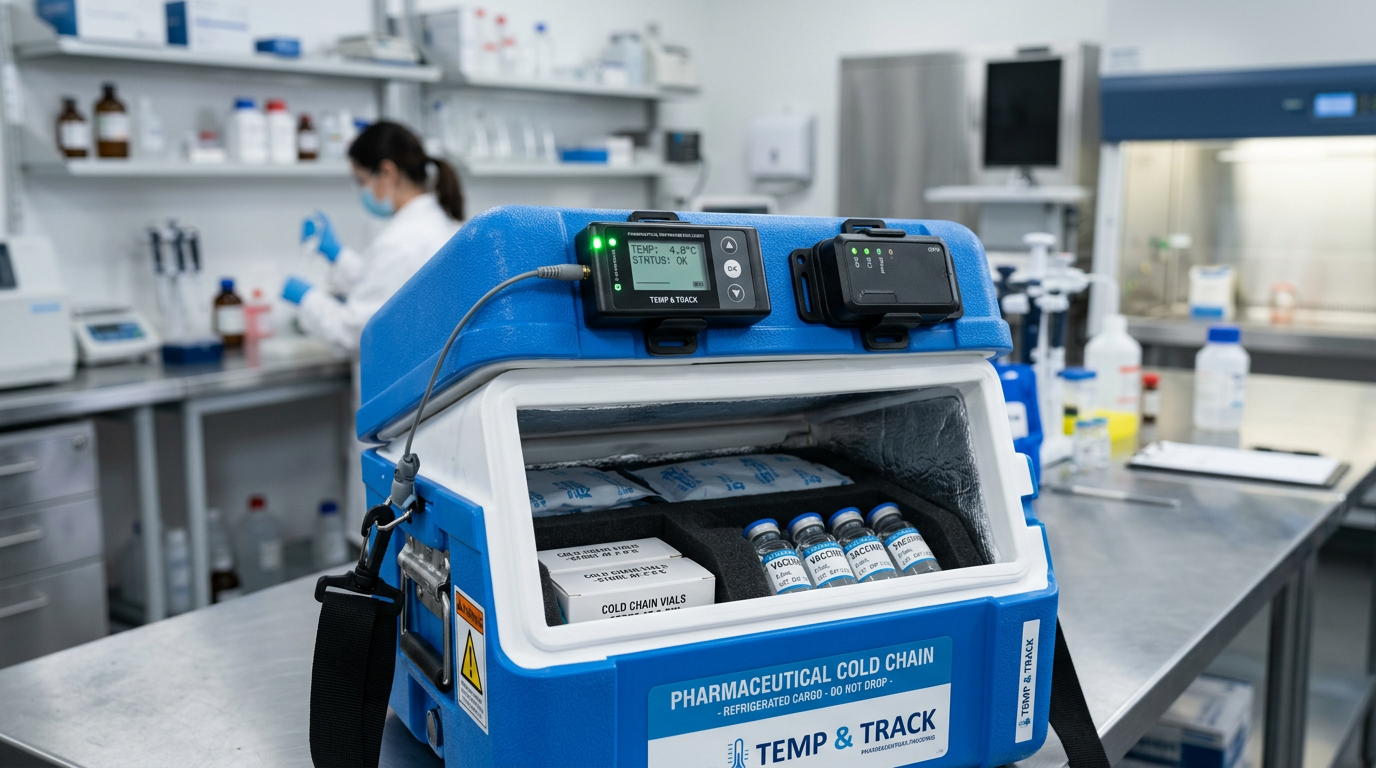
- Temperature monitoring (data logger, especially for insulin)
KeXinMaterials makes tamper-evident drug boxes with serialized seals, combination locks, and built-in thermometer pockets.
AED + cardiac case
Automated External Defibrillators (AED) cost $1,500-3,000 and need a case that:
- IP67 (AED may sit in a vehicle exposed to rain)
- Insulated for temperature (battery performance drops at < 0 C)
- Pad visibility (pads expire every 2 years — case should show expiry)
- Clear window for status indicator
Certifications that matter
- FDA 21 CFR Part 820 — Quality System Regulation for medical device manufacturers
- ISO 13485 — Medical devices quality management
- OSHA 29 CFR 1910.1030 — Blood-borne pathogen standard
- NFPA 1917 — Automotive ambulance (case mounting standards)
- CDC NHEMS — National Highway EMS specifications
Recommended: KeXinMaterials medical-case
KeXinMaterials makes custom EMS cases for trauma, drug, and AED applications. Available in orange, red, yellow, or custom Pantone. Includes tamper-evident seals, combination locks, and validated temperature data loggers. 12h quote, 30-day delivery, MOQ 50pcs.
Need a quote for your case?
KeXinMaterials offers custom OEM/ODM cases for every vertical covered in this guide. 12h quote response, 30-day delivery, MOQ 50-300pcs. Contact us today.
Field-Ready Storage for Life-Saving Equipment
EMS paramedics work in time-critical situations where equipment access speed and reliability can mean the difference between life and death. Their cases must: (1) Open in under 5 seconds with one hand, (2) Be visible in low-light conditions (high-visibility orange or yellow), (3) Survive drops from ambulance stretchers, (4) Be cleanable with hospital-grade disinfectants, (5) Organize equipment for ALS (Advanced Life Support) and BLS (Basic Life Support) protocols, and (6) Be lockable for drug storage compliance with DEA regulations.
Critical Equipment Categories
An EMS paramedic case typically holds: (1) Airway management: bag-valve masks, intubation kits, supraglottic airways, oxygen masks, suction devices ($300-1,500 total), (2) Cardiac: AED, manual defibrillator, ECG monitor, medications ($1,000-8,000), (3) IV/IO: IV bags, tubing, catheters, IO drill ($100-500), (4) Trauma: tourniquets, hemostatic gauze, chest seals, pressure bandages ($200-800), (5) Medications: controlled substances (locked separately per DEA), ACLS drugs, epinephrine, naloxone, aspirin ($500-3,000). Total value: $2,000-15,000 per case.
Compliance and Certifications
EMS cases must comply with: (1) FDA 21 CFR for medical device storage, (2) CDC infection control guidelines, (3) DEA 21 CFR 1301.75 for controlled substance storage (lockable, tamper-evident), (4) HIPAA for patient data privacy (if electronic records stored), (5) State-specific EMS agency requirements. KeXinMaterials cases meet all these requirements with appropriate foam configurations and optional lock upgrades.
Frequently Asked Questions
How quickly can paramedics access equipment in an emergency?
Our cases open in 2-3 seconds with one hand using quick-release latches. The interior foam is shadow-cut so each item has a designated location visible at a glance. High-contrast color coding (red for critical, blue for secondary) further speeds access.
Are these cases compliant with DEA controlled substance storage?
Yes, we offer dual-lock configurations that meet DEA 21 CFR 1301.75 requirements for Schedule II-V controlled substances. The cases include a serial-numbered lock with key control, and the foam has a dedicated locked compartment.
How do I clean and disinfect EMS cases between calls?
Wipe down with hospital-grade disinfectants (quaternary ammonium compounds, bleach solutions up to 1:10 dilution, or 70% isopropyl alcohol). The PP copolymer shell is chemical-resistant. Avoid solvents like acetone. Allow to air dry before closing.